North
Korean leader Kim Jong Un has instructed military commanders to ensure that
their units are fully prepared for combat and to significantly improve their
fighting capabilities through rigorous and continuous training. His remarks
come amid rising tensions on the Korean Peninsula and following a recent
explosion in the Demilitarized Zone (DMZ) that injured three South Korean
soldiers. According to North Korea’s state-run Korean Central News Agency
(KCNA), Kim issued the instructions during a photo session with participants at
the third meeting of company commanders of the Korean People’s Army. State
media reported his remarks on Wednesday.
Kim
said the fundamental revolutionary duty of company commanders was to bring
their units to a state of complete combat readiness so that they could be fully
prepared to fight a war. He said achieving this objective required fundamental
improvements in rigorous, continuous and intensive military training. The North
Korean leader urged military commanders to transform their companies into
effective fighting forces capable of confronting the enemy with exceptional
strength and preparedness. He also called on commanders to demonstrate their
loyalty to the ruling Workers’ Party and the revolution through practical
achievements.
According
to state media, Kim further urged commanders to turn their companies into
formations capable of achieving a “one against 100” level of strength. He
emphasised that firm revolutionary conviction, patriotism, extraordinary
courage and superior combat capabilities were essential to achieving this goal.
His remarks placed particular emphasis on military training, unit preparedness
and the practical performance of commanders, with the military leadership
expected to further enhance its capabilities.
Kim’s
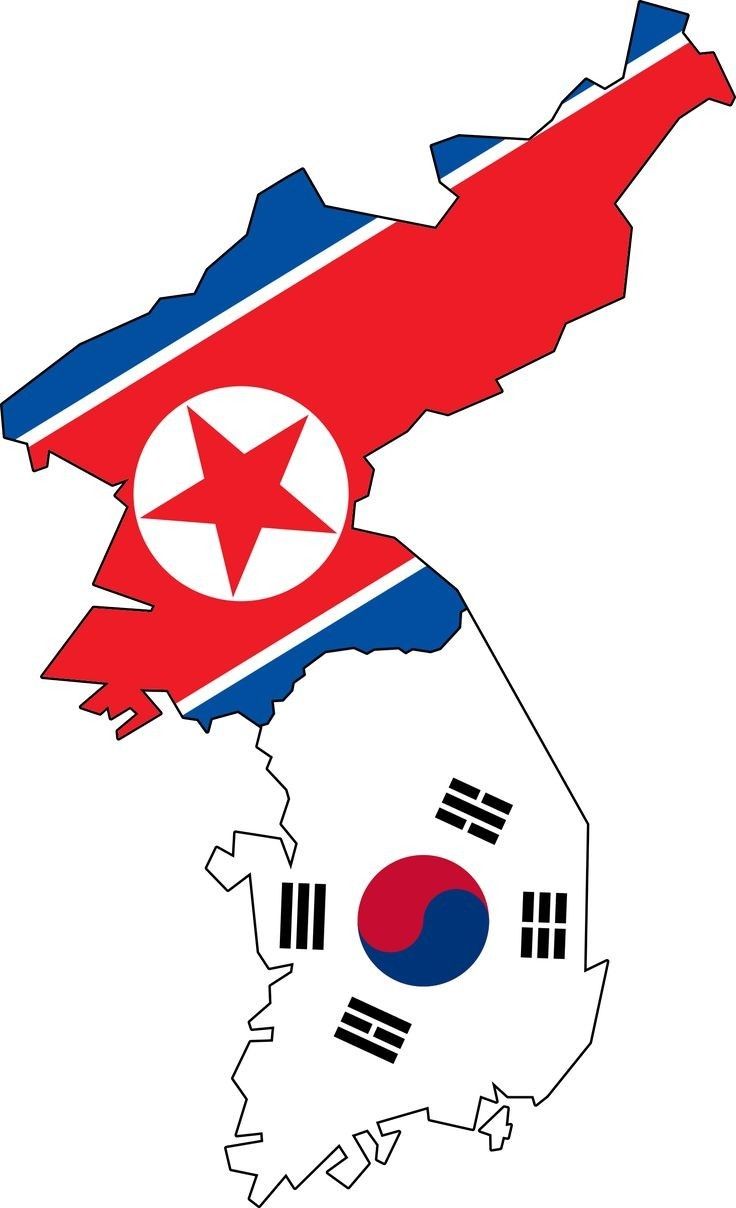
statements come at a time of growing tensions on the Korean Peninsula. Last
month, an explosion occurred inside the Demilitarized Zone separating North and
South Korea, injuring three South Korean soldiers. South Korea blamed North
Korea for the incident but also called for the restoration of military
communication channels between the two countries to help reduce tensions. Seoul
maintains that resuming military communications could ease tensions between the
two sides and potentially prevent further incidents.
North
Korea has rejected South Korea’s allegations regarding the explosion in the
DMZ. However, Pyongyang has yet to respond to proposals for restoring military
communications and resuming dialogue. Both countries have also sent letters to
the United Nations Security Council presenting their respective positions and
accounts of the incident. Through these communications, the two sides outlined
their views on the DMZ incident that occurred on September 21. North Korea’s
renewed emphasis on intensified military training, full combat readiness and
measurable results from commanders comes amid a lack of trust between the two
Koreas, with the recent border incident adding to the sensitivity of the
situation. However, Kim Jong Un’s remarks did not announce any specific
military operation, attack or the start of a war. The central focus of his
statements was improving the combat readiness of military units, strengthening
training and enhancing the effectiveness of military leadership.