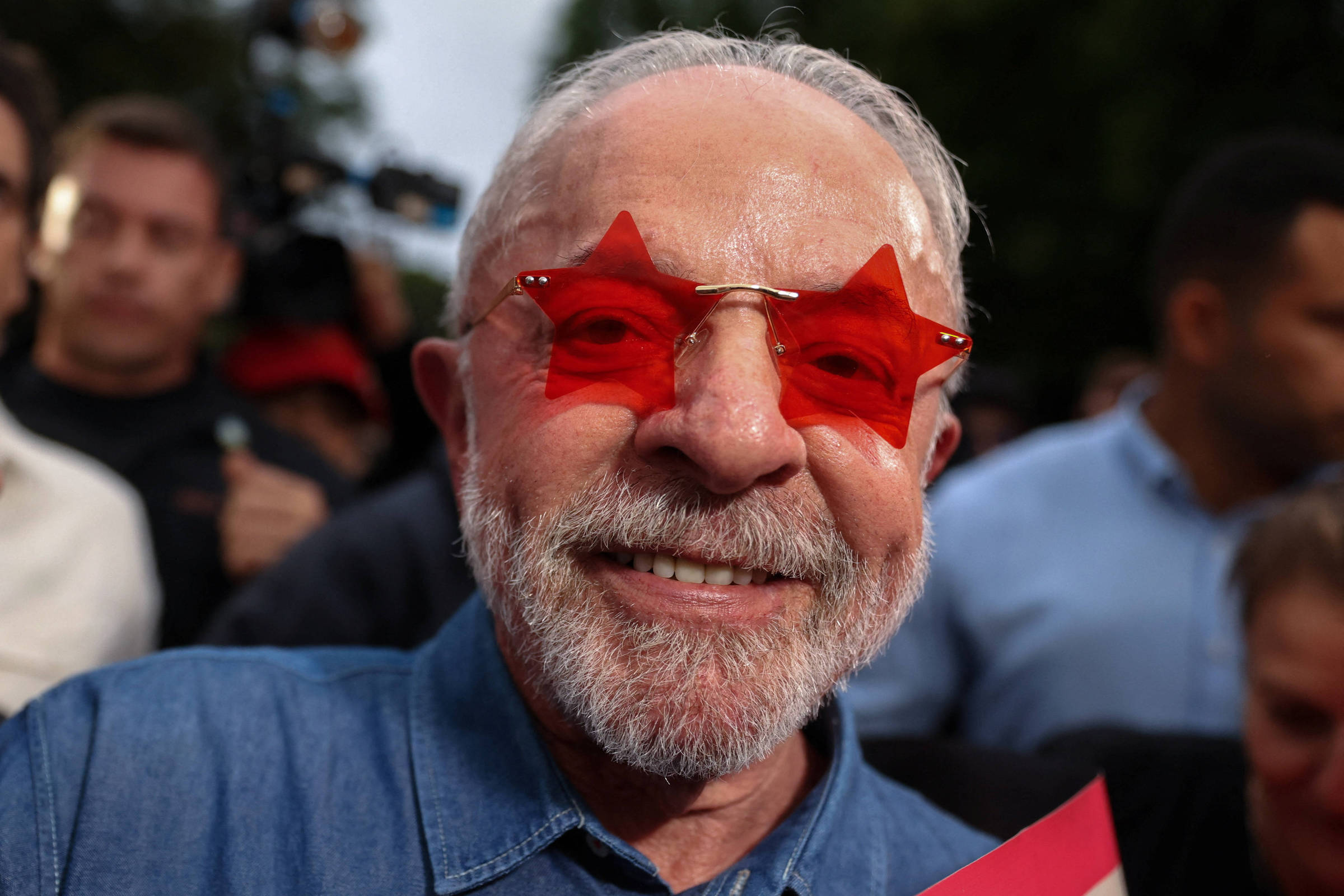
Brazilian President Luiz Inácio Lula da Silva has
secured a dramatic victory in the presidential election, earning the
distinction of being elected president for a fourth time. According to election
officials, Lula defeated former President Jair Bolsonaro’s eldest son, Senator
Flávio Bolsonaro, by a margin of more than four million votes. The victory is
being viewed as a major setback for the growing electoral success of right-wing
parties in Latin America.
According to the British news agency Reuters,
Lula da Silva’s victory marks another major comeback in his political career.
The 80-year-old Lula previously served two presidential terms from 2003 to
2011. He also returned to power after defeating Jair Bolsonaro in the 2022
election. During this election campaign, Lula faced challenges over inflation,
corruption allegations, and changing economic conditions. However, stronger
voter turnout and his welfare policies played an important role in his victory.
According to the election results, Lula da Silva secured 51.75 percent of the
vote, while right-wing candidate Flávio Bolsonaro received 48.25 percent.
According to the results, Flávio Bolsonaro had
taken the lead in the first round, but Lula defeated him by a substantial
margin in the second round. Rather than conceding defeat, Flávio Bolsonaro
announced that he would seek to have the results annulled. He argued that a
Supreme Court ruling on Sunday had extended voting hours by two hours. His move
has raised concerns about a possible dispute over the election results.
However, analysts believe the chances of the results being overturned are
extremely slim, as Flávio’s margin of defeat was even greater than the margin
by which his father lost the 2022 election. Moreover, his own campaign had also
requested an extension of voting hours because of heavy rainfall in southern
Brazil.
Latin American affairs analyst Mario Braga said
right-wing groups might stage protests in the coming days, but the likelihood
of the election results being changed was extremely low. Left-wing
parliamentarian Erika Hilton, who supports Lula, told Reuters that he was a
statesman and a great personality. Lula’s welfare policies and promises to
support poorer sections of society are also considered important factors behind
his electoral success. During the campaign, he highlighted his government’s
efforts to reduce poverty and income inequality. He also said that
unemployment, illiteracy, and deforestation had declined significantly during
his previous terms in office.
During the election campaign, Lula warned that if
Flávio Bolsonaro came to power, welfare spending could be reduced and progress
in the social sector could be undermined. He also criticised the policies of
U.S. President Donald Trump, stressing the importance of protecting Brazil’s
sovereignty. Lula’s victory has dealt a setback to the growing alliance of
right-wing governments in Latin America. The Trump administration has sought to
strengthen ties with regional leaders who support Washington’s policies on
security and migration.
In the final phase of his election campaign, Lula
also made several promises aimed at providing relief to the public. These
included a proposal to offer free public transport nationwide on weekends,
which would need to be submitted to Congress for formal approval. In addition,
a 15 percent increase in one of his key welfare programmes was announced, and
implementation has already begun.
Lula also supported a constitutional amendment
concerning workers’ rights, which is being regarded as one of Brazil’s major
labour reforms in decades. The amendment received broad support in Congress.
However, Lula’s fourth presidential term is unlikely to be easy. He will face
the most conservative Congress elected since the restoration of democracy in
Brazil. Flávio Bolsonaro’s Liberal Party and its allies could secure more than
280 seats in the lower house and up to 50 seats in the Senate, giving them a
strong position from which to oppose the government.
The Other Side of the Picture
Not everyone views Luiz Inácio Lula da Silva as a
symbol of freedom of expression and humanitarian values. Critics point to
longstanding corruption allegations against his government, economic
challenges, and political divisions. Several journalists have also accused the
Brazilian president of suppressing the press.