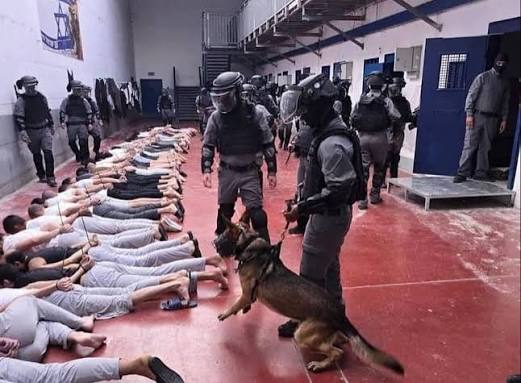
The suffering of approximately 9,400 Palestinian
detainees held in Israeli occupation prisons is expected to intensify as winter
approaches. The Palestine Centre for Prisoners Studies has warned that
detainees have been consistently deprived of warm clothing, bedding and heating
facilities for more than three years. Meanwhile, conditions inside prisons and
detention centers, particularly regarding hygiene and healthcare, have
deteriorated severely.
Riyad al-Ashqar, director of the centre, said
that Israeli authorities had imposed a complete ban on providing detainees with
clothing and bedding since October 7, 2023. Visits by family members have also
been suspended, and prison canteens, where detainees previously purchased basic
necessities, have been closed.
In a statement, al-Ashqar explained that Israeli
authorities had barred all international organisations, including the Red
Cross, from delivering clothing to detainees. Prison administrations had also
confiscated detainees’ personal belongings, including clothes and bedding.
Mattresses and the remaining bedding are reportedly removed from rooms and
cells during the day. He added that detainees are forced to wear the same
clothes and use the same bedding for extended periods, without access to
facilities for washing or replacing them. The absence of medical care and
essential treatment has contributed to a significant spread of skin diseases,
particularly scabies.
Winter Cold Further Intensifies the Hardships of
Imprisonment
According to Riyad al-Ashqar, the suffering of
detainees in prisons such as Naqab, Ramon and Nafha becomes particularly severe
because these facilities are located in desert regions where temperatures drop
sharply during winter. Some sections consist of tents that offer little
protection against the cold. Rainwater also enters these tents, soaking
clothing, mattresses and personal belongings. The center said that these harsh
conditions are not limited to prisons. Detainees held in temporary detention
and interrogation centers also face severe difficulties, with no access to warm
clothing, bedding, hot water or heating facilities.
Al-Ashqar stated that detainees arrive at these centers
wearing only the clothes they had on when they were arrested and are not
permitted to bring additional clothing. When they are subsequently transferred
to prisons, they encounter a severe shortage of basic necessities, further
compounding their suffering during the winter months.
Gaza Detainees Face Particularly Severe Risks
Detainees from the Gaza Strip are in the most
precarious situation, facing extremely harsh detention conditions as winter
approaches. Al-Ashqar noted that, according to the center’s estimates,
approximately 2,000 detainees from Gaza remain in Israeli custody, deprived of
basic living necessities. The centre cited accounts from recently released
detainees from Gaza, who reported that in some detention facilities they were
provided with only thin, dirty blankets and old, worn-out mattresses.
Their food was reportedly poor in quality and
insufficient in quantity, while detainees suffering from illnesses were also
denied adequate nutrition suited to their medical needs. Citing the center’s
reports, al-Ashqar said detainees were taken outdoors during extremely cold
weather wearing light clothing, with their hands handcuffed, and forced to sit
for hours on rain-soaked ground.
He warned that the continued deprivation of Gaza
detainees of clothing, bedding and mattresses, combined with their isolation
from the outside world and the suspension of visits, poses serious risks to
their lives as temperatures fall. The situation is particularly concerning
because obtaining information about their well-being or assessing their
detention conditions has become extremely difficult.
Children and Sick Detainees Among the Most
Vulnerable
Riyad al-Ashqar stressed that children, women,
elderly people and sick detainees are among those most severely affected by
extreme cold. He warned that the lack of appropriate clothing and heating,
combined with food shortages and inadequate medical care, could place their
health at serious risk. The center called on international organizations and
human rights bodies to intervene urgently to ensure the protection of
detainees. It urged them to pressure Israeli authorities to allow the provision
of winter clothing, bedding, mattresses, adequate heating and other basic
necessities. Al-Ashqar also emphasized the need to guarantee essential medical
care for detainees, particularly those who are ill or injured. He warned that
if the deprivation of basic necessities continues as winter approaches, the
medical and humanitarian suffering of detainees inside prisons and detention centers
could become even more severe.