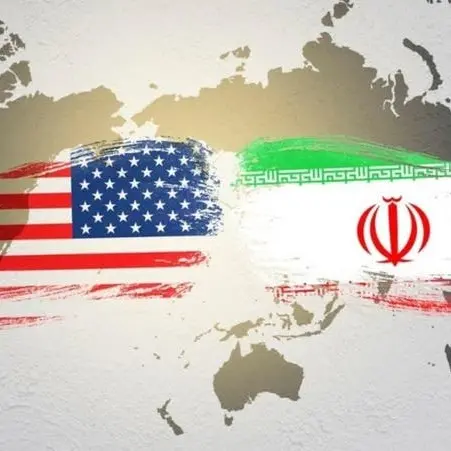
U.S. media have reported
that the Pentagon has begun finalizing preparations for possible large-scale
military operations against Iran while deploying additional military assets to
the Middle East. The developments come shortly after the U.S. midterm elections,
in which the ruling Republican Party suffered a major electoral setback amid
rising petroleum prices linked to the war with Iran. Commenting on the election
results, President Donald Trump acknowledged that the war had inflicted
significant political damage on Republicans. However, he maintained that the
decision to launch the conflict was necessary to prevent Tehran from acquiring
nuclear weapons.
According to the U.S. news
website Axios,
senior American officials have made clear that no final decision has been taken
to resume attacks on Iran and that diplomatic efforts through Qatar remain an
option. Following the election results, internal concerns and disagreements in
Washington over the White House’s future strategy have become increasingly
apparent.
In a statement, U.S. Vice
President JD Vance said the main reasons for the Republican Party’s election
defeat were the conflict with Iran and its economic consequences. He also
suggested that close ties with Israel had contributed to voters’ anger.
Citing sources inside the
White House, Axios
reported that a group led by Vice President Vance is advising President Trump
to reach an immediate agreement with Iran. On the other hand, CIA Director John
Ratcliffe and Treasury Secretary Scott Bessent support a strategy of
maintaining pressure on Tehran through a naval blockade and economic sanctions
in order to deepen the impact on the Iranian economy.
Meanwhile, Iranian officials
have described the U.S. election results as a political victory for Iran.
Mohsen Rezaei, secretary of Iran’s Supreme National Security Council, said the
Iranian nation had defeated the U.S. president on the battlefield, in the
Strait of Hormuz and in Washington’s political arena. According to diplomats and
Middle East analysts, statements of this nature from Tehran could put further
pressure on the U.S. president to take military action.
Ali Vaez, deputy program
director at the International Crisis Group, said the sensible course for Iran
would be not to mistake Washington’s political weakness for military weakness
and to pursue a diplomatic agreement before it is too late. At present, Qatari mediators
are working to secure agreement between American and Iranian officials on a draft
framework that could pave the way for a formal end to the war and the
resumption of direct negotiations.
U.S. officials say President
Trump has several options before him, including launching new airstrikes,
reaching an agreement with Tehran, or maintaining the existing economic
sanctions and naval blockade for an extended period. However, all these options
carry significant political and military risks, and the final course of action
will depend on developments over the coming days.