Politics
Egypt Enters the War against Iran and Its Proxies
It was widely expected that Egypt would eventually join the war on the Gulf front against Iran and its proxies.
- Reading time
- 4 min read
- Published
- 11 Nov 2026, 19:56

Politics
It was widely expected that Egypt would eventually join the war on the Gulf front against Iran and its proxies.
It was widely expected that Egypt would eventually join the war on the Gulf front against Iran and its proxies. Such involvement is not only in Egypt’s own vital interests but could also help maintain the regional balance of power. Egypt’s latest announcement that it is prepared to take part in the war raises questions about its official position and how it intends to respond to scepticism, criticism and hostility from various quarters. However, the key question is why Egypt took 10 months to adopt this position and why it had previously been reluctant to become involved in the conflict. Is this decision linked to financial assistance from Saudi Arabia, or is it merely the result of verbal assurances? Regardless of the circumstances, Egypt now appears set to become part of the war, whether it wanted to or not. It has already faced direct rocket attacks, while the Iran-backed Houthi group and Iraqi militias have previously issued threats against Egypt as well.
Egypt has paid a heavy price over the past three years because of Houthi attacks. Attacks on commercial shipping in the Red Sea have adversely affected Egypt’s foreign exchange earnings. The country has also faced heavy financial costs, additional taxes and other consequences, not least because of the situations in Libya, Sudan and Gaza. According to international figures and estimates, Egypt is losing approximately $6 billion annually in revenue from the Suez Canal alone. These losses have come at a time when the country is already struggling under a heavy economic burden. The livelihoods of Egyptian citizens working in Gulf countries have also been affected. More than five million Egyptians are employed across various Gulf states, but the current war situation has put their jobs and incomes at risk. This is because the escalating tensions have severely disrupted oil and gas exports from all these countries.
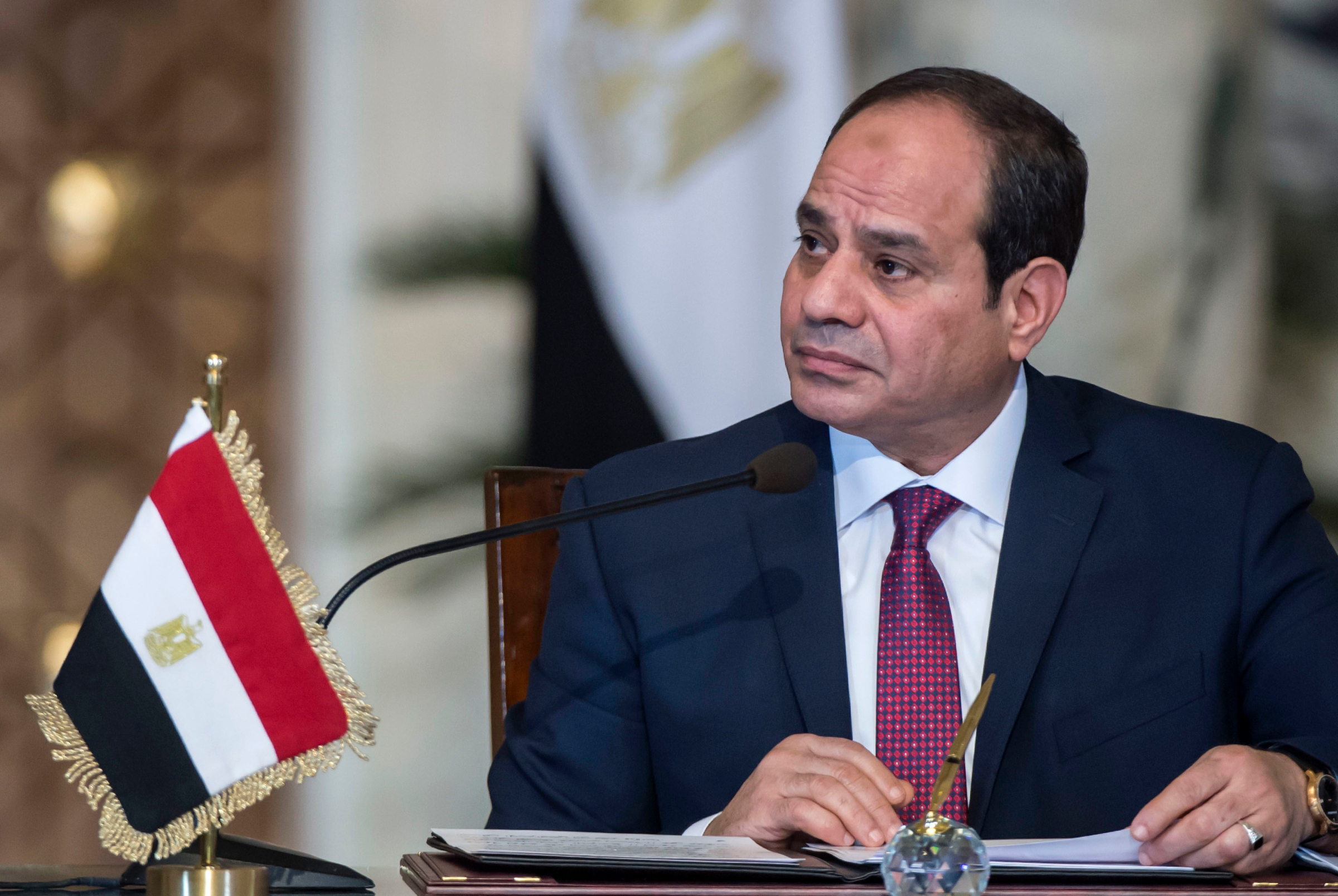
Under President Abdel Fattah el-Sisi, Egypt has made every effort to avoid becoming involved in the war. However, the conflict now unfolding in the Gulf has brought Egypt itself into the line of fire, leaving Cairo with little room for manoeuvre. The challenges and threats facing Egypt are also having a serious impact on the everyday lives of ordinary Egyptians, particularly through rising prices of essential commodities. Moreover, if Iran gains the upper hand over the Gulf states, the regional consequences are unlikely to be favourable for Egypt. Such a development could even pose threats to Egyptian national security. In the past, Egypt, like several Gulf governments, has maintained an undeclared confrontation with Iran. Cairo has viewed the Iranian regime as a supporter of the growing influence of the Muslim Brotherhood. Tehran has also reportedly sought to support the Brotherhood through various initiatives in an effort to strengthen its influence over the Egyptian state. Against this backdrop, President Abdel Fattah el-Sisi’s announcement that Egypt is prepared to enter the war sends a clear and direct message to Iran. Tehran has previously exploited divisions among the Gulf States, seeking to weaken them and push them towards isolation.
The question of why Egypt has announced its readiness to take action only now, rather than several months ago, remains important. There may have been several understandable considerations behind Cairo’s delay, including its choice of timing and its desire to give negotiations an opportunity to produce a possible settlement. Egypt may also have wanted to avoid becoming part of a U.S. and Israeli war against Iran. Another possible explanation is that Cairo hoped to secure economic benefits in return for its involvement. However, a more fundamental question overshadows all these considerations: Egypt may ultimately have to pay the price for Iran’s growing regional influence. Cairo therefore wants to take action to protect its interests, preserve its regional influence and safeguard its economy. If Egypt fails to act, Tehran could once again interfere in its internal affairs and attempt to destabilise the country, as it has allegedly done in the past.
Egypt also needs to protect its economic security. Houthi and Iranian actions are costing the Suez Canal approximately $6 billion annually, bringing the estimated cumulative losses over the past three years to $18 billion. Fearing for the safety of their vessels, international shipping companies have increasingly avoided the Suez Canal and diverted their cargo ships to alternative routes. One consequence of this disruption is that the prices of essential commodities in Egypt have also become increasingly unaffordable for ordinary people. Even after considering all these factors, one fundamental question remains: will Egypt’s participation in the war be enough to change the military balance on the ground? The answer depends on the nature and extent of Egypt’s involvement. At present, it remains unclear how far Cairo is prepared to go in this conflict.