More than one-third of the world's women and
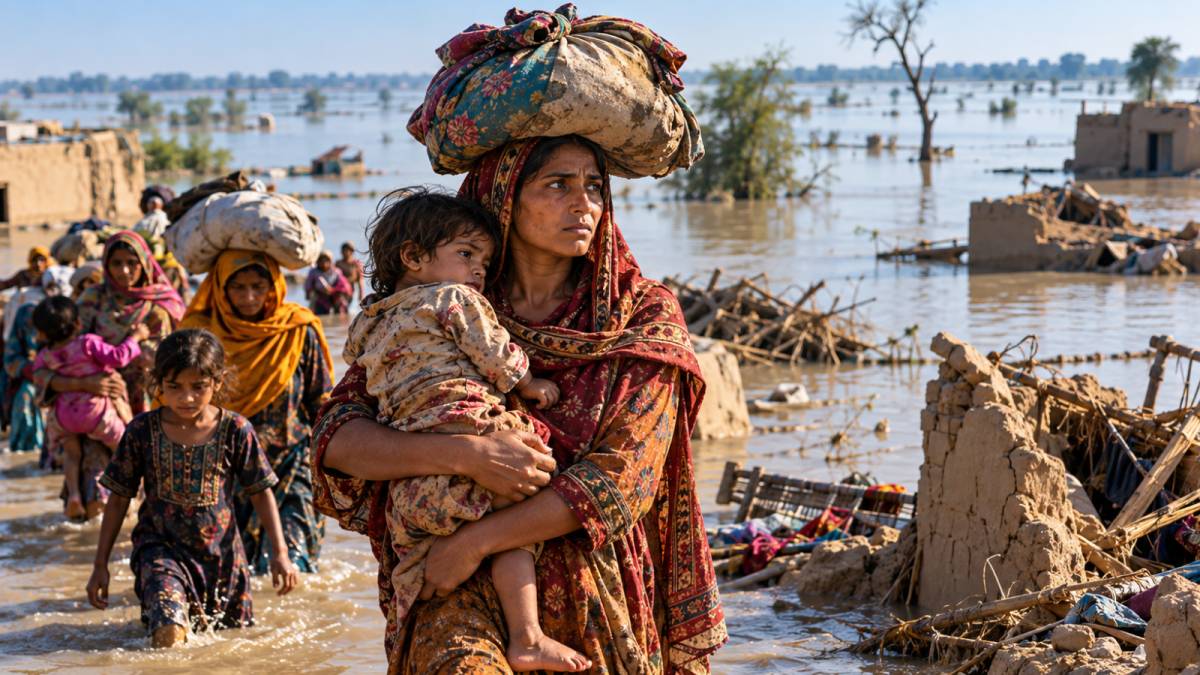
girls — approximately 1.5 billion people — live in areas highly vulnerable to
climate hazards. In these regions, natural threats such as hurricanes and
droughts are compounded by challenges including insecure employment and gender
inequality. A new report released by UN
Women, the United Nations entity dedicated to gender equality, says the climate
crisis is not only threatening lives but also deepening existing inequalities,
with women and girls bearing the greatest burden. Women and girls in countries
that have contributed the least to climate change are paying the heaviest price
for its consequences. Titled Gender Equality in the Age of the Climate
Crisis, the report was released during the United Nations Climate Change
Conference (COP31) in Antalya, Türkiye.
Rights, Resources and Decision-Making Power
The report warns that, if current trends
continue, global temperatures could rise by as much as 1.8 degrees Celsius
above pre-industrial levels by 2050. This would further intensify droughts,
floods, wildfires and hurricanes. According to UN Women, under the worst-case
climate scenario, an additional 141 million women and girls could be pushed
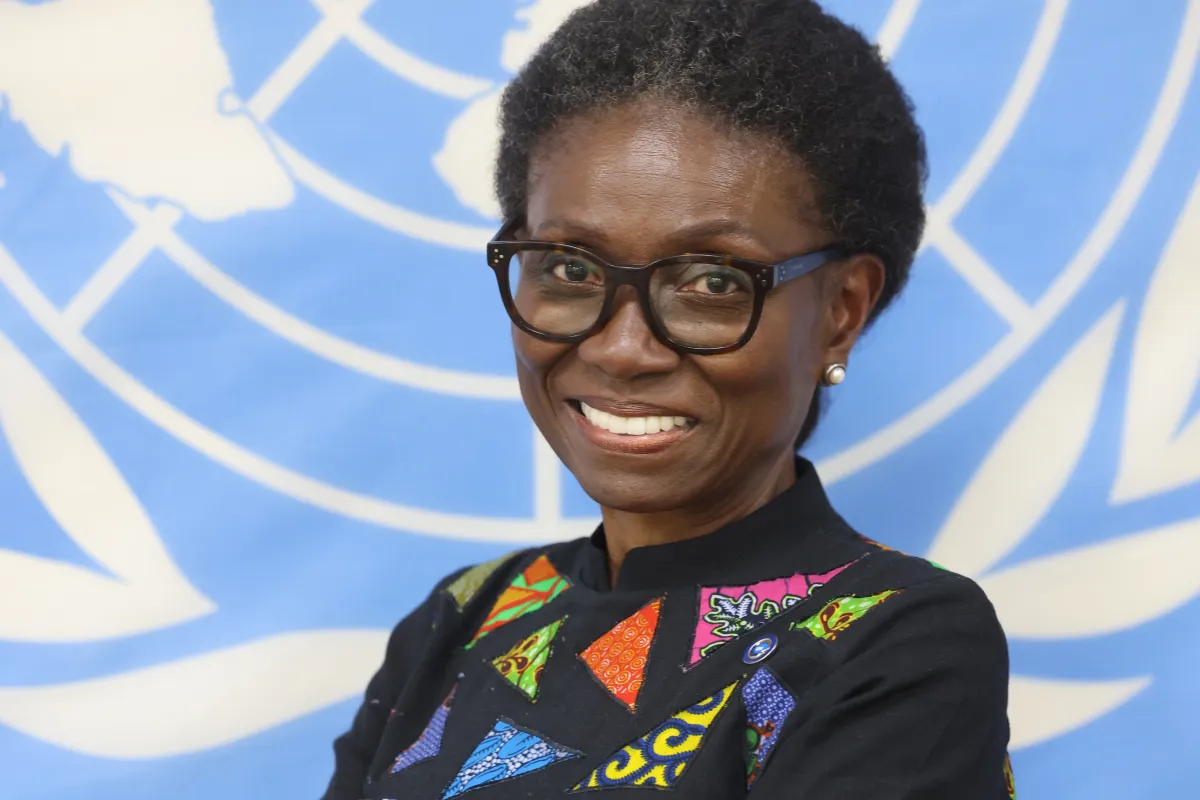
into extreme poverty by the middle of this century. The organization’s
Executive Director, Sima Bahous, said women around the world were already at
the forefront of the struggle for a better future. She stressed that they must
be given equal rights, access to resources and leadership opportunities, adding
that women could help lead the world towards the transformation it urgently
needs.
Rising Temperatures, Falling Incomes
Data from 24 countries indicate that a one-degree
Celsius increase in average temperatures could reduce women's overall incomes
by 34 per cent more than men's. According to the report, one major reason is
that when crops fail, women often face greater difficulties than men in finding
alternative employment outside agriculture or moving to other areas. Climate
change is also increasing women's unpaid domestic and care responsibilities.
These include collecting water and fuel and looking after family members in the
aftermath of natural disasters. Climate change is further aggravating existing
drivers of gender-based violence. Data from 14 countries show that adolescent
girls and young women living in areas exposed to prolonged severe drought face
a 21 per cent higher risk of sexual violence.
Climate Crisis and Child Marriage
The climate crisis is also undermining efforts to
end child marriage. According to the report, 24 of 46 countries have higher
rates of child marriage in their dryland areas than in other regions. Meanwhile,
although artificial intelligence (AI) technology is driving a continuous rise
in energy demand, 326 million women and girls worldwide still lack access to
electricity.
Risks Facing Environmental Activists
According to the report, 73 per cent of countries
acknowledge the risks faced by women and girls in their climate action plans.
However, only slightly more than one-third have adopted comprehensive measures
to address these threats. Women's representation in climate-related
decision-making remains extremely limited. Women account for only 12 per cent
of personnel in ministries and departments responsible for the energy sector. Women
environmental activists who speak out for environmental protection also face
risks including harassment, violence and even death. On the occasion of COP31,
UN Women has urged world leaders to place gender equality and women's rights at
the center of climate action. This includes recognising and guaranteeing the
right of every woman and girl to live in a clean, healthy and sustainable
environment.