The United Nations Security Council has been
informed that political consensus in South Sudan remains fragile and the
deteriorating security situation is taking a worrying turn, with the country
facing serious challenges ahead of elections scheduled for December 22. Anita
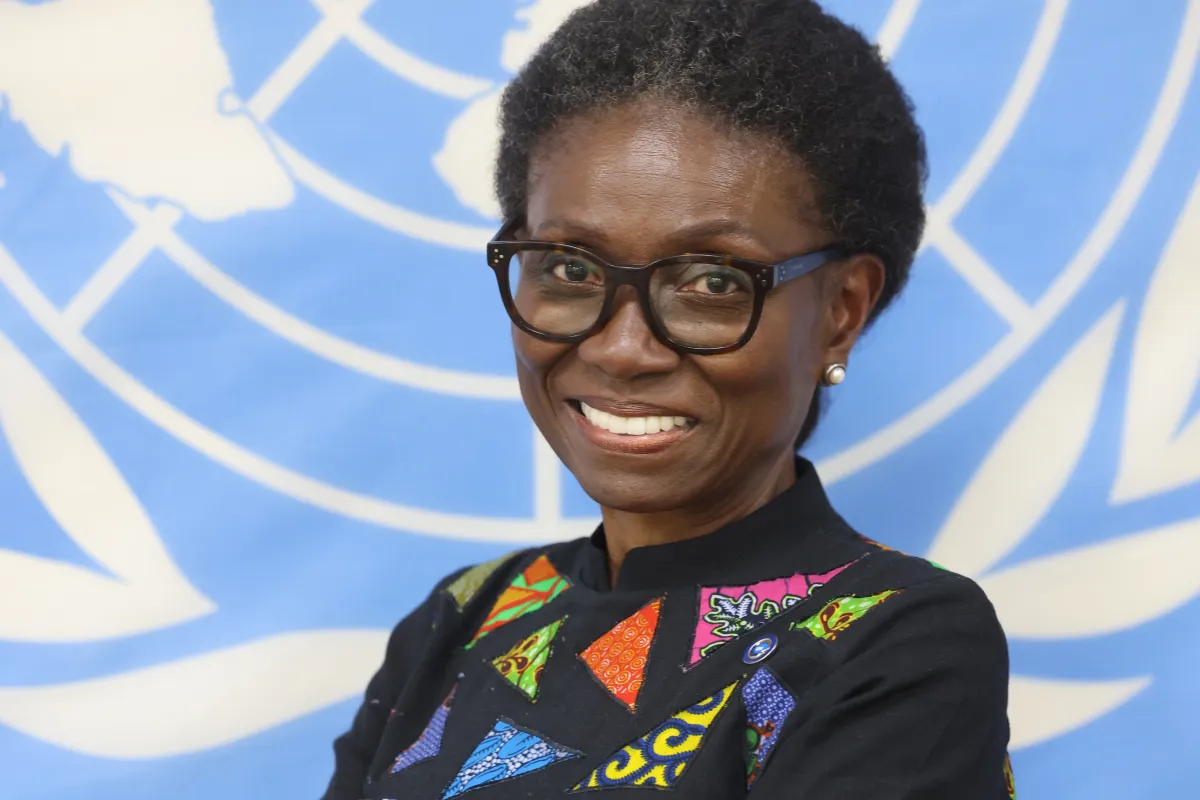
Kiki Gbeho, the UN Special Representative for South Sudan, told the Security
Council that the country was at a critical crossroads. Although preparations
for the elections were progressing rapidly, political consensus over the
transitional period was weakening at an alarming pace. She said several
questions remained about the preparations for the electoral process, including
security and logistical arrangements, the National Elections Commission's
ability to organize elections within the limited time available, and
implementation of the remaining provisions of the peace agreement. Gbeho also
pointed out those recent political developments had prevented the
implementation of the 35 per cent quota for women's representation stipulated
in the peace agreement. She stressed that the elections should be an important
milestone in the transitional process rather than its conclusion. Elections,
she said, could not replace political dialogue, the restoration of mutual trust
or continued implementation of the peace agreement.
Growing Security Challenges
Discussing the security situation, Gbeho said
conditions in the country had become increasingly complex. However, despite the
fragile political environment, large-scale armed confrontations of the kind
witnessed in the past had not yet resumed. Available data indicate that armed
clashes between the main signatories to the peace agreement have generally
declined. However, localised violence, political divisions and tensions between
communities have increased. These developments have undermined confidence in
the country's overall security situation. She warned that if these tensions
persist, they could deepen existing vulnerabilities amid the political and
humanitarian crises and lead to further escalation in different parts of the
country.
Deteriorating Humanitarian Situation
Expressing concern over the ongoing humanitarian
crisis, Gbeho said approximately 10 million people in the country needed
humanitarian assistance. Since fighting erupted in Sudan, around 1.4 million
people have crossed the border into South Sudan, while approximately 7.5
million people in the country are facing food insecurity. The number of people
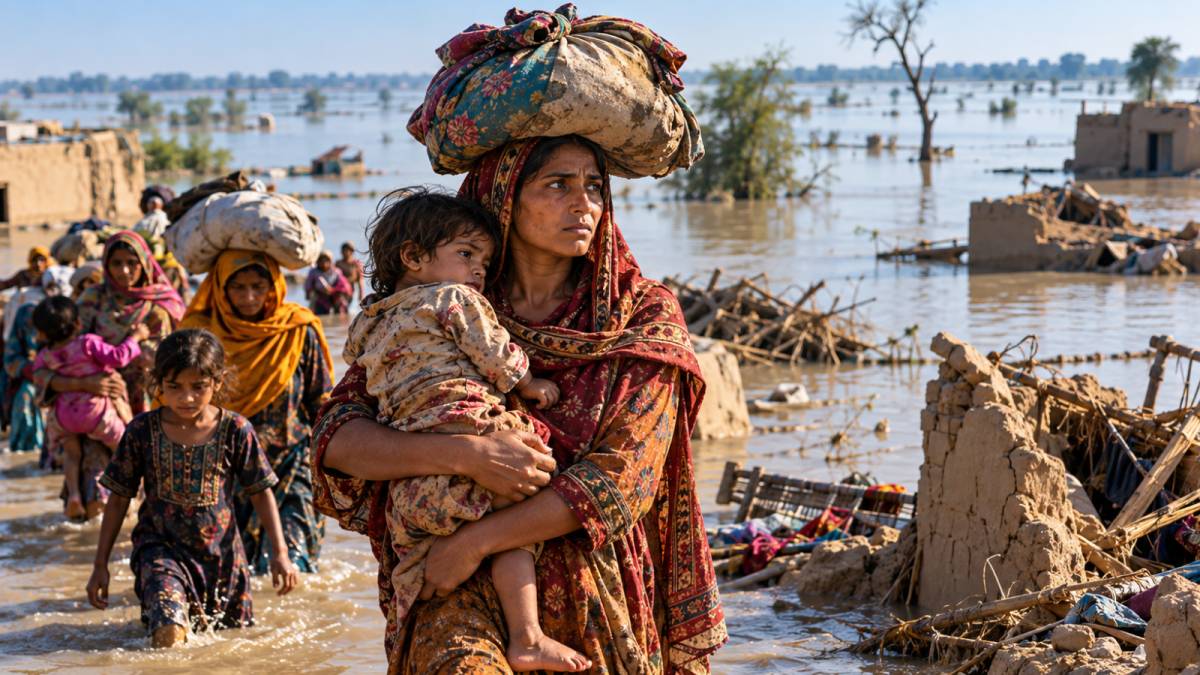
at risk of famine is also rising. Prolonged drought and anticipated flooding
linked to El Niño could further worsen the humanitarian crisis. She added that
the Ebola outbreak in the region was creating additional risks, making it
essential to strengthen disease preparedness, cooperation and emergency
response measures.
Call for Respecting the Ceasefire
The Special Representative stressed the urgent
need to halt the ongoing fighting and called on all parties to exercise restraint,
protect civilians and respect the ceasefire. She said political negotiations
could not be postponed any longer. South Sudan's leadership, she added, should
launch broad-based and inclusive talks on the remaining provisions of the peace
agreement and the country's political future after the elections. The ultimate
measure of success, she said, was simple: would the people of South Sudan be
safer tomorrow than they were today?
Meanwhile, drone attacks and drought are also
taking a heavy toll on Sudan. The United Nations Children's Fund (UNICEF) has
warned that the country's critical infrastructure is being targeted by attacks
from the warring parties, including drones capable of striking targets up to
1,500 kilometers away. UNICEF spokesperson James Elder said Sudan had never
before witnessed attacks of this kind. During the final week of October, not a
single day passed without a power station being targeted by a drone strike
somewhere in the country. A total of 15 power stations were attacked in October
alone. He said the conflict had previously involved attacks using suicide
drones, but the warring parties now possessed drones capable of accurately
striking distant targets. Two-thirds of the children killed during the war in
Sudan this year were reportedly victims of these drone attacks. Such weapons
are extending the conflict into areas that were once considered safe.
War Crushing Lives
Speaking to journalists in Geneva after returning
from a visit to Sudan, Elder recounted the story of a teenage boy he had met in
the city of El Obeid. According to investigators from the UN Human Rights
Council, residents of the city live under the constant threat of drone attacks.
Elder said the boy, named Buri, had lost both hands in an explosion and was now
living in a tent. He attends online classes in the morning and collects grass
for livestock with his arms in the afternoon. His friends help him with the
task. Elder said this was the reality of Sudan: a war that shows no signs of
ending and continues to devastate people's lives.
Water and Food Crisis
The UNICEF spokesperson said that, as in Ukraine,
Sudan's energy sector was facing repeated attacks. However, he pointed out a
major difference between the two countries: damaged facilities in Ukraine are
repaired, whereas this is not happening in Sudan. He explained that when a
power station is attacked, water supply pumps stop functioning and water
treatment systems also cease to operate. As a result, people are forced to rely
on expensive and unsafe alternatives to obtain water. Diseases are spreading
under these conditions, while the systems needed to keep vaccines and medicines
at safe temperatures are also under severe threat because of the war.
Farmers are finding it increasingly difficult to
irrigate their crops because irrigation pumps run on electricity generated by
generators, and severe fuel shortages have made their operation extremely
expensive. All this is happening at a time when more than 800,000 children
under the age of five in Sudan are expected to suffer from the most severe form
of acute malnutrition this year, a condition that can be fatal. UNICEF and its
partner organizations have so far treated hundreds of thousands of children for
the life-threatening form of severe acute malnutrition. The organisation has
also provided healthcare services to more than 2.5 million people, while
millions of children have been vaccinated against deadly diseases.