Vote counting is underway in Israel following the
close of polling in the general elections. A party or coalition must secure at
least 61 of the 120 seats in the Israeli parliament, the Knesset, to form a
government. According
to an exit poll conducted by Israel’s Channel 12, no political bloc is expected
to secure a clear majority in the elections. However, Prime Minister Benjamin
Netanyahu’s Likud Party is projected to emerge as the largest party in the
Knesset.
Reuters reported that as preliminary results
began to emerge, exit polls by Israeli broadcasters Kan 11 and Channel 13
projected that both political blocs would secure 51 seats each. Meanwhile,
Channel 12 estimated that the coalition led by Netanyahu’s Likud Party could
win 52 seats, while the opposing bloc could secure 49. A tight contest is
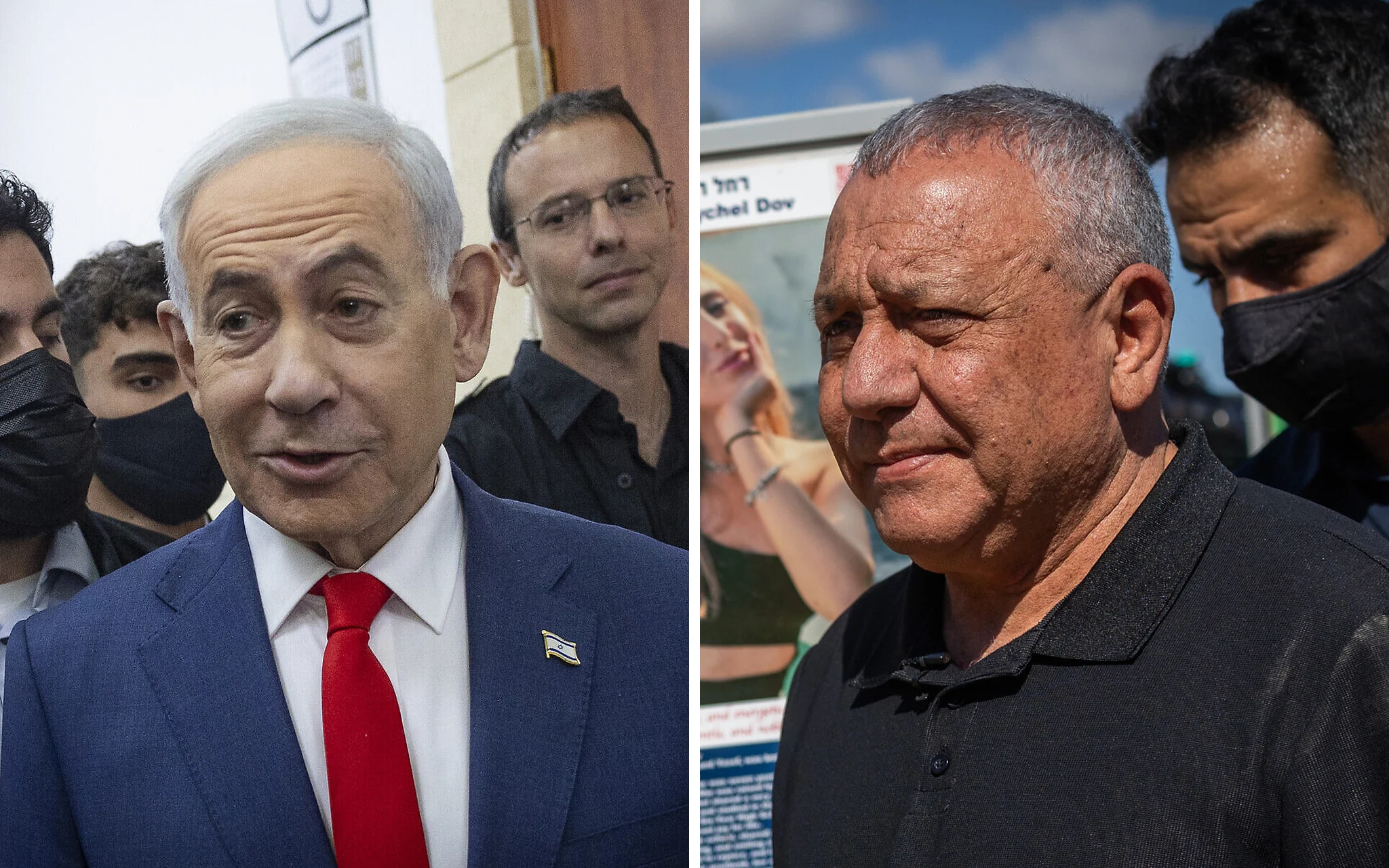
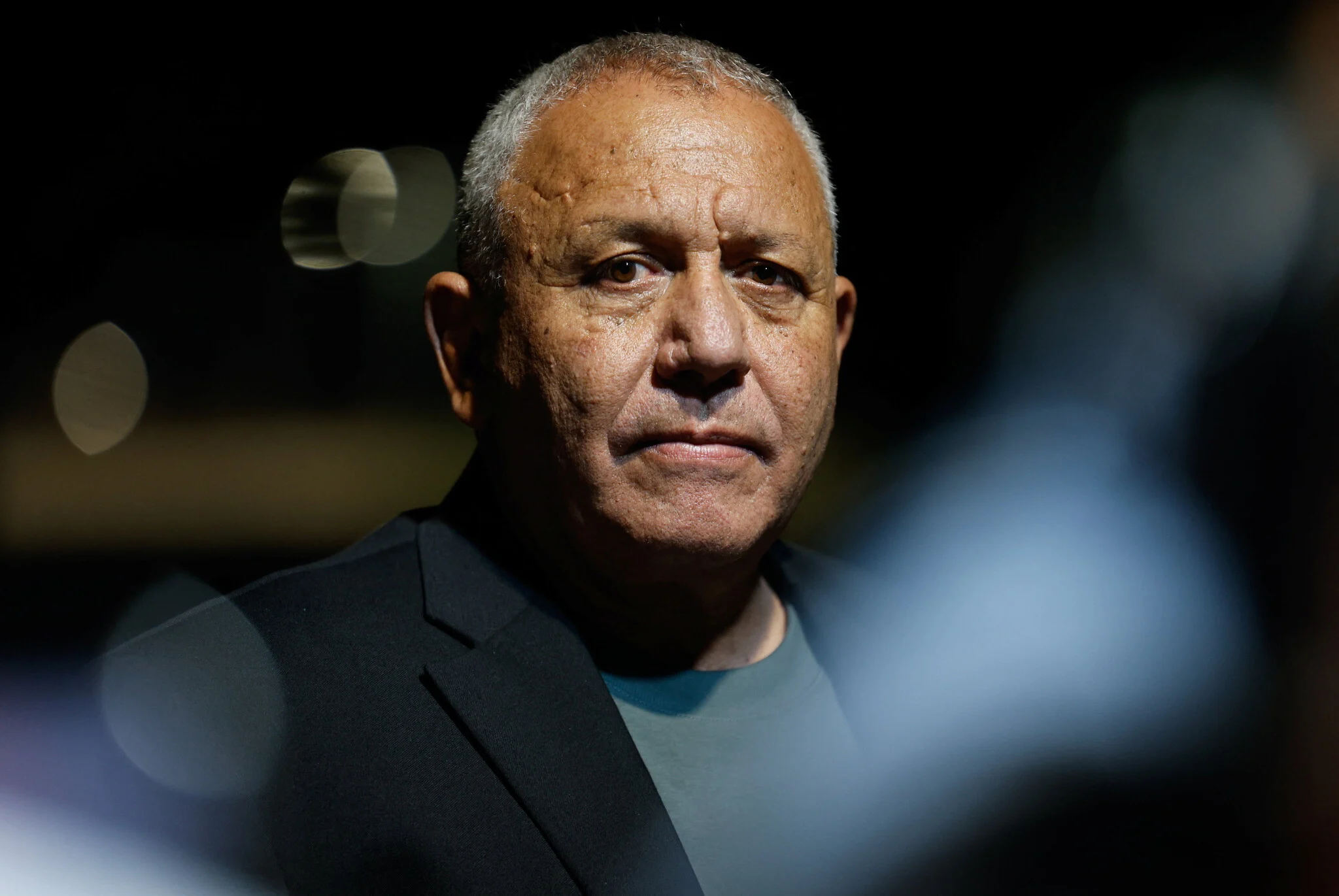
underway between Netanyahu’s Likud Party and the opposition alliance led by
former general Gadi Eisenkot, leaving the election results uncertain.
According to Israel’s Central Elections
Committee, voter turnout stood at 77.7 percent, the highest rate in more than
two decades and approximately seven percentage points higher than in the 2022
elections. Final results are expected on Thursday or Friday. Meanwhile, Israeli
Prime Minister Netanyahu has emphasized that a right-wing government should be
formed to ensure the country’s long-term security.
On the other hand, Netanyahu’s rival, former
Israeli army chief Eisenkot, claimed that voters had rejected the long-serving
Israeli leader, adding that Netanyahu should withdraw from politics. Neither
leader has declared victory. However, their statements have done little to
resolve the uncertainty surrounding the election results. A day earlier,
Netanyahu had alleged electoral fraud, claiming that three suspects had been
arrested on polling day in connection with envelopes containing cash and ballot
papers associated with Mansour Abbas. Police reportedly raided a building in
the Negev Desert, where they recovered envelopes containing thousands of
shekels in cash, along with ballot papers.
It is worth noting that the policies of
Netanyahu’s right-wing coalition government have deepened political divisions
within Israel, while also increasing the country’s international isolation.
Despite this, Netanyahu continues to portray himself as a strong leader capable
of confronting Israel’s enemies. The 77-year-old Netanyahu has served as prime
minister for approximately 19 years over the past three decades and has managed
to survive numerous political crises.
Netanyahu has faced criticism over what is
considered the biggest security failure in Israel’s history. However, he
maintains that the killing of senior Hamas, Hezbollah, and Iranian leaders has
made Israel and the world safer. Since 2009, Netanyahu’s opponents have managed
to remove him from power only once. After four inconclusive elections in a row
over a two-year period, he was forced to step down as prime minister. However,
he returned to power just 18 months later. Netanyahu also faced longstanding
corruption cases during the latest elections, allegations that he denies. In
addition, he has been repeatedly criticized over intelligence failures that
enabled Hamas to launch its attack on Israel on October 7, 2023.