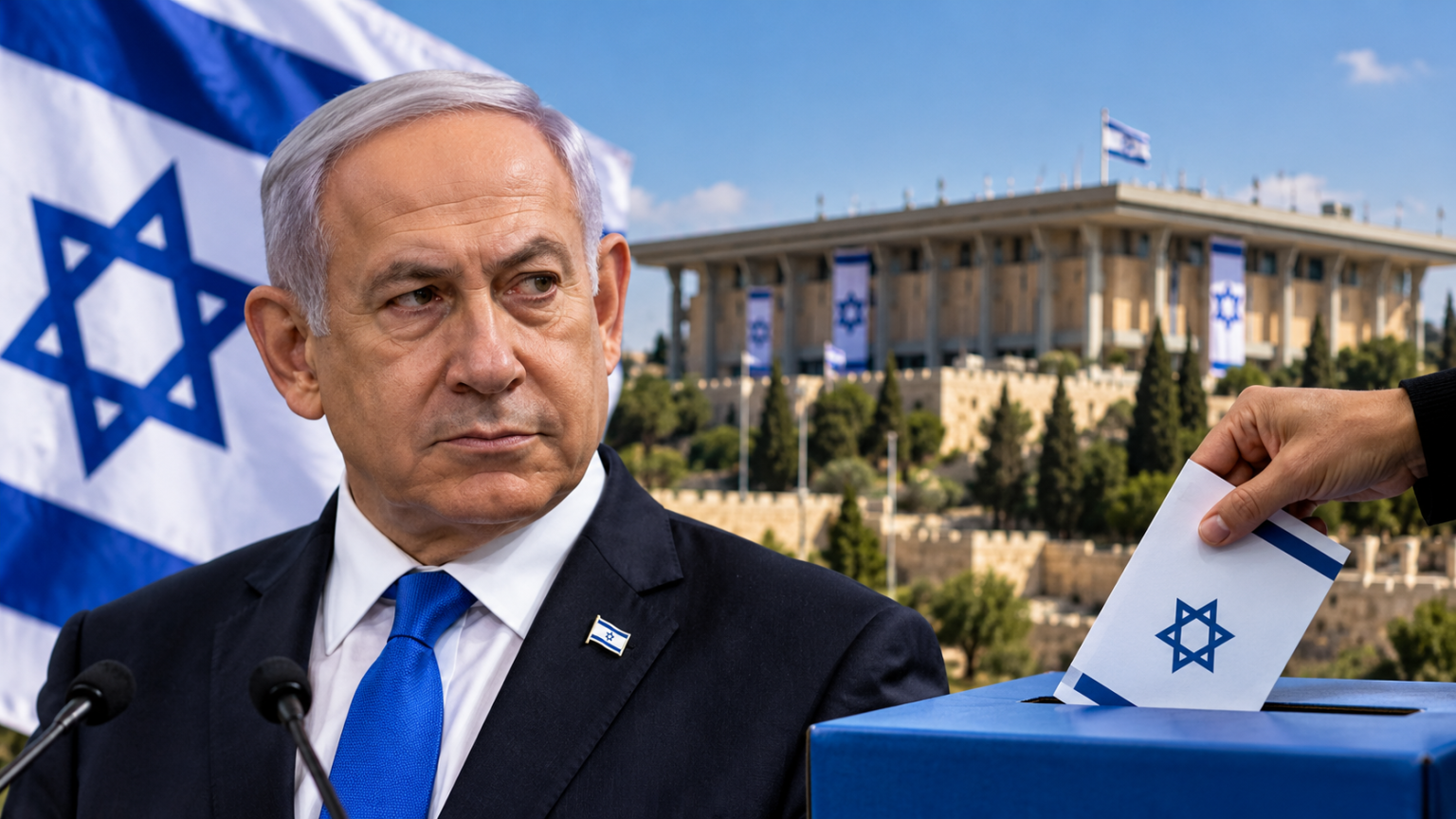
Israel’s parliamentary election, being
held today, is expected to see a fierce contest between Prime Minister Benjamin
Netanyahu and his political opponents. Netanyahu faces the risk of losing power
after nearly 19 years in office, while the path to forming a government remains
uncertain and challenging for his rivals as well. The election is
Israel’s first parliamentary vote since the October 2023 attack on Palestine.
The attack intensified tensions across the Middle East, as Israel waged war in
Gaza and Lebanon and also launched airstrikes against Iran.
Benjamin Netanyahu: A Long Political Career and
a Struggle to Retain Power
Benjamin Netanyahu has served as Israel’s prime
minister for most of the period since 2009. He previously held the office in
the 1990s. He is one of Israel’s most prominent political figures
internationally and is regarded as a controversial leader at home. His
supporters call him “King Bibi” and describe him as a strong leader capable of
defending Israel in a region surrounded by adversaries.
On the other hand, his political position has
come under pressure because he is wanted by the International Criminal Court
over alleged war crimes in Gaza and faces corruption charges in Israel.
Netanyahu rejects the allegations. Following the October 7 attack, support for
his Likud party declined significantly, raising questions about his security
policies. His government’s policies on religion and the state have also faced
opposition from many Israelis.
Despite these challenges, Netanyahu has demonstrated
considerable political resilience. The Israeli prime minister has said that, if
he wins the election, he will seek to establish a broad national government.
However, if no party or coalition secures a clear majority, he could remain in
office as caretaker prime minister for several months.
Who Are Netanyahu’s Main Political Rivals?
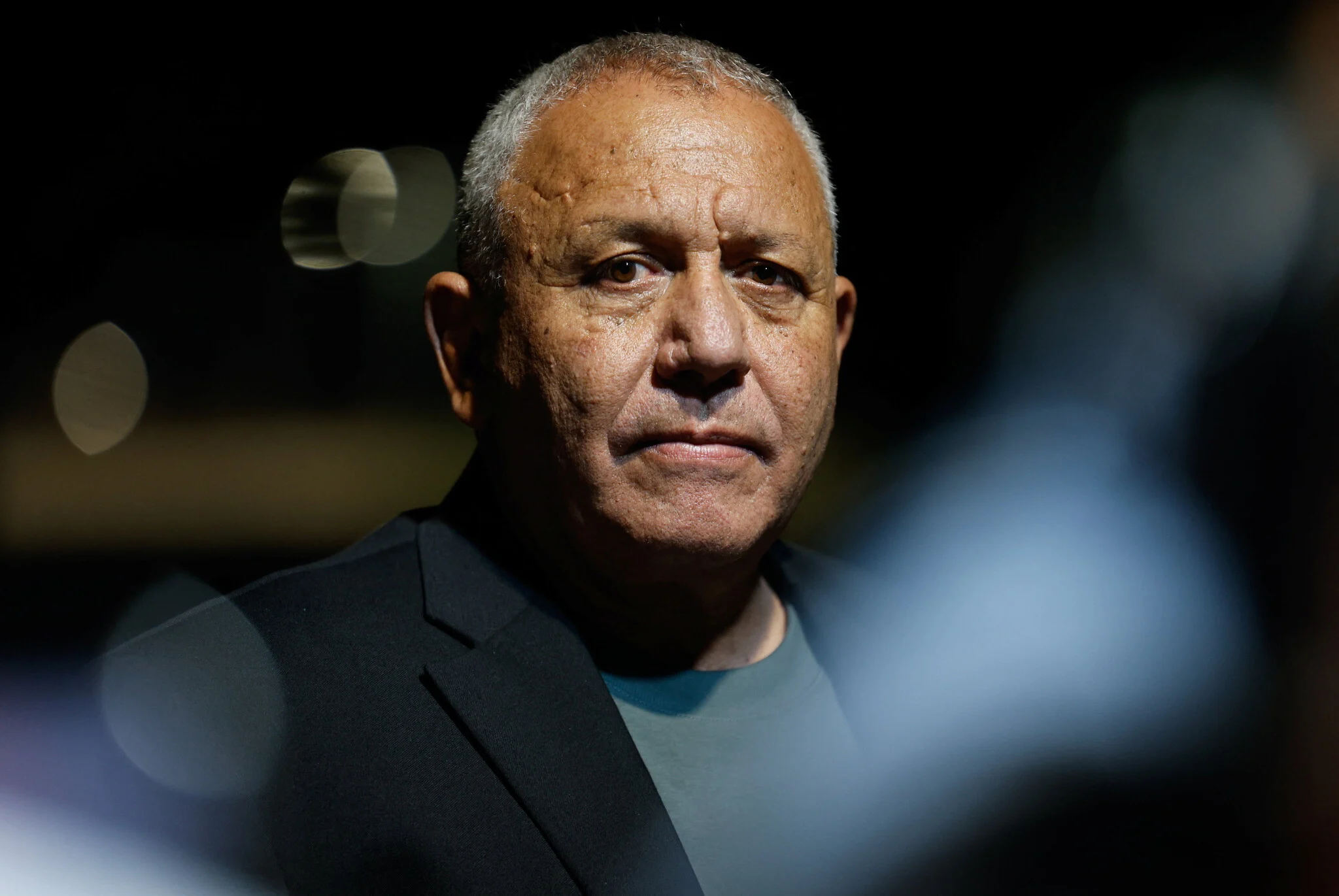
Former military chief Gadi Eisenkot,
66, lost his son during the fighting in Gaza. He presents himself as a
security-focused leader who stands apart from traditional politics. He leads
the new centrist party Yashar, a Hebrew word meaning
“straight” or “honest.” Former Prime Minister Naftali Bennett,
54, is a former commando and right-wing leader who previously served as an aide
to Netanyahu. He has joined forces with former Prime Minister Yair
Lapid. Their new political alliance is called “Together,”
and its campaign focuses on national unity, restoring normalcy and healing the
country’s social divisions. Despite their differing political ideologies, the
two leaders succeeded in removing Netanyahu from power in 2021.
Former defence minister Avigdor Lieberman,
68, was once a close ally of Netanyahu. However, he has taken an even harder
line than Netanyahu on Palestinian militant groups. In 2018, Lieberman resigned
from the government, describing Netanyahu’s Gaza policy as too lenient. His
party, Yisrael Beiteinu (Israel Our Home), draws support from
immigrants who arrived from the former Soviet Union.
Former general Yair Golan was
praised for helping rescue people during the Hamas attack. He leads the Democrats
party, formed through a merger of remnants of Israel’s historic Labour Party
and the left-wing Meretz party.
Netanyahu’s Hardline Allies Also Enter the
Electoral Contest
Israeli Finance Minister Bezalel Smotrich
and National Security Minister Itamar Ben-Gvir are key allies
of Netanyahu. Their far-right policies toward Palestinians have faced
widespread international criticism. Smotrich supports the expansion of Israeli
settlements in the occupied West Bank and has expressed a desire to eliminate
the prospect of establishing a Palestinian state. Ben-Gvir was convicted in
2007 of incitement to racism against Arabs. He supports the death penalty for
convicted Palestinian militants, tougher conditions for Palestinians held in
Israeli prisons and easier access to firearms for Israeli citizens. Both
politicians have also supported the displacement of Palestinians from Gaza and
Israeli settlement there.
Religious Parties Are Crucial to Netanyahu’s
Political Survival
For years, Netanyahu has relied on the support of
two ultra-Orthodox Jewish parties, United Torah Judaism and Shas.
These parties demand exemptions from compulsory military service for most
members of their communities. The relatively low employment rate within these
communities and their reliance on government benefits have also become sources
of resentment among many Israelis, particularly as the country continues to
face wartime conditions.
Smaller Parties Could Influence the Election
Outcome
Parties that have not clearly aligned themselves
with either Netanyahu or his opponents could also play an important role in the
election. These include Ra’am and the Joint List, which
represent Israel’s Arab minority, accounting for approximately 20 per cent of
the country’s population. Other participants in the electoral contest include
the newly formed right-wing party People of Israel and The
Reservists, a party positioned from the center to the right. Opinion
polls have shown fluctuations in the standing of these parties. Their role
could prove decisive in government formation, as smaller parties may determine
who takes power if no major bloc secures a clear parliamentary majority.
Trump Appeals to Israeli Voters to Support
Netanyahu
US President Donald Trump has once again
expressed support for Netanyahu ahead of Israel’s parliamentary election. Trump
urged Israeli voters to vote for Netanyahu so that they could complete the work
the two leaders had begun together.
Israel’s 120-seat parliament, known as the Knesset,
normally holds elections every four years, although early elections have also
been common. Seats in the Knesset are allocated to parties according to the
votes they receive under a proportional representation system. No single party
has ever secured an outright parliamentary majority on its own, meaning that
governments are formed through coalitions of different parties. Coalition
negotiations often continue for several weeks. If the candidate nominated to
form a government fails, other candidates may be given an opportunity. If no
government can be formed, new elections may be called. In the meantime, the
existing cabinet continues to function as a caretaker government.