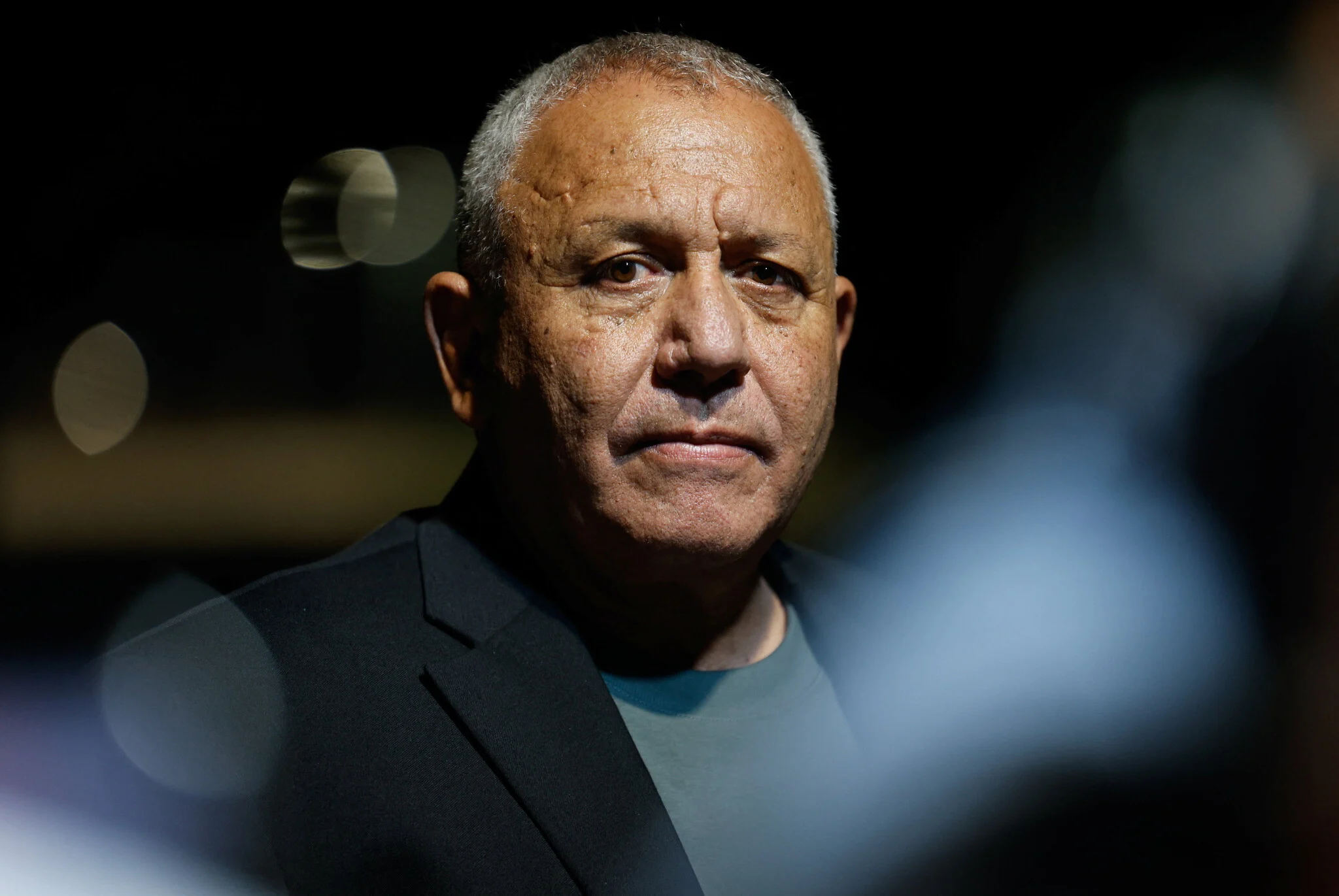
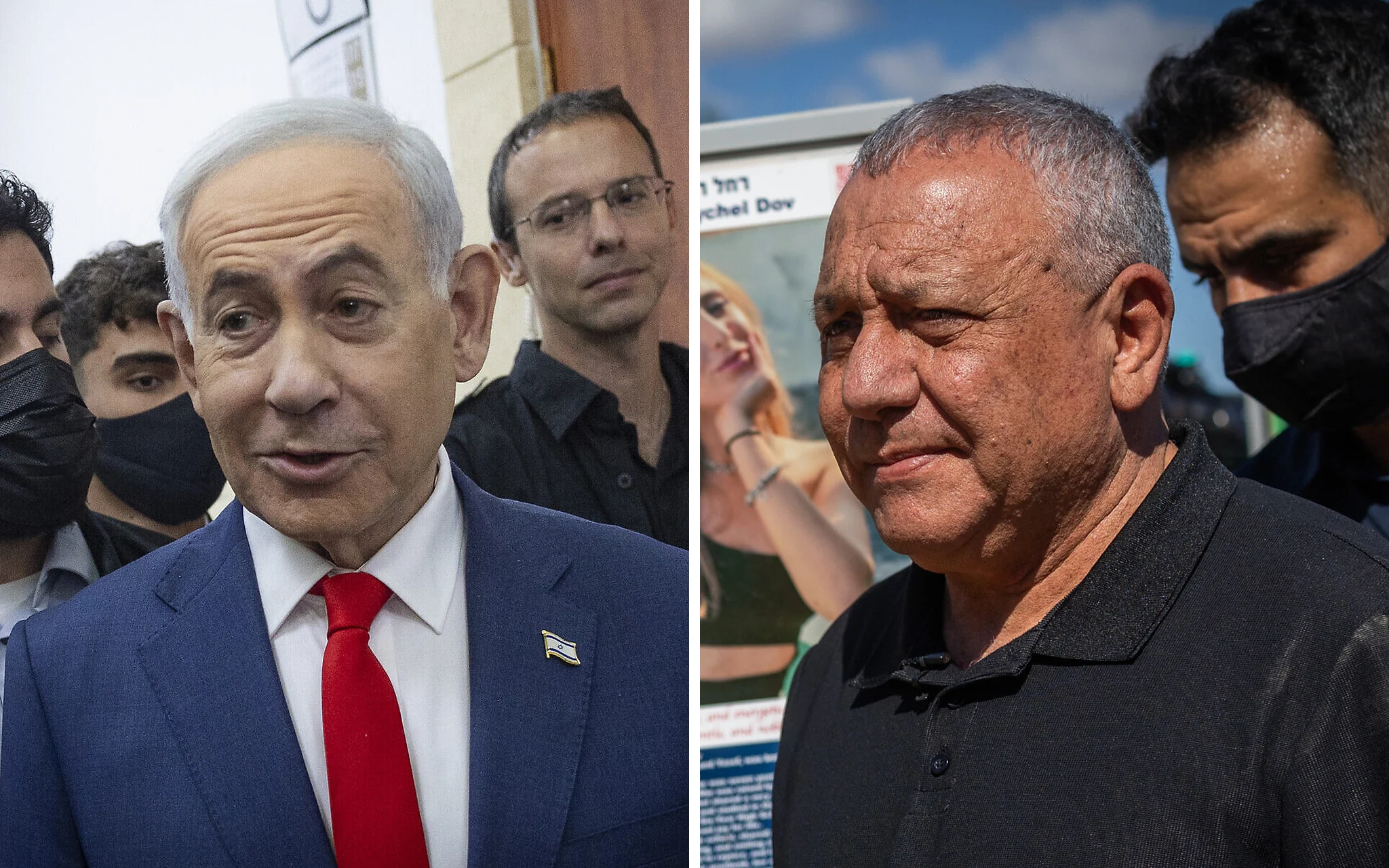
Gadi Eisenkot is emerging as one of the strongest
challengers to Israeli Prime Minister Benjamin Netanyahu and a potential
candidate to become the country’s next prime minister. He is a central figure
in an opposition alliance formed to challenge Netanyahu’s right-wing
nationalist bloc in Israel’s October 2026 general elections. If Eisenkot succeeds in forming a government,
he could become the first prime minister in Israeli history from the
Moroccan-origin Mizrahi Jewish community, potentially marking a historic shift
in the country’s politics. Israeli political power has traditionally been
dominated by Jews of European origin, while tensions and divisions involving
Jews of African origin have also shaped the country’s political landscape.
Eisenkot has a predominantly military background.
Born in 1960 in the Israeli city of Tiberias, he spent 41 years in the Israel
Defense Forces (IDF). He served as Israel’s 21st chief of staff from 2015 to
2019, giving him extensive experience in the country’s security policy and
military strategy. In politics, Eisenkot
is regarded as a hawk who supports a hard-line approach to national security.
Rather than relying on emotional slogans or political rhetoric, he is known for
emphasizing calculated military decisions, covert operations and assessments
based on realities on the ground.
Opposes an Independent Palestinian State but
Takes a More Flexible Approach to Palestinian Workers
On the Palestinian issue, Eisenkot opposes the
establishment of an independent Palestinian state. He maintains that Israel
should retain ultimate security control over the territory between the Jordan
River and the Mediterranean Sea. He is also a staunch opponent of Hamas and has
pledged to completely dismantle the group’s military wing within 18 months of
taking office. However, compared with Netanyahu, Eisenkot is considered more
pragmatic in certain areas. He supports allowing Palestinian workers from the
West Bank to work in Israel, arguing that economic stability could help reduce
security risks.
Prospects for De-escalation in the War with Iran
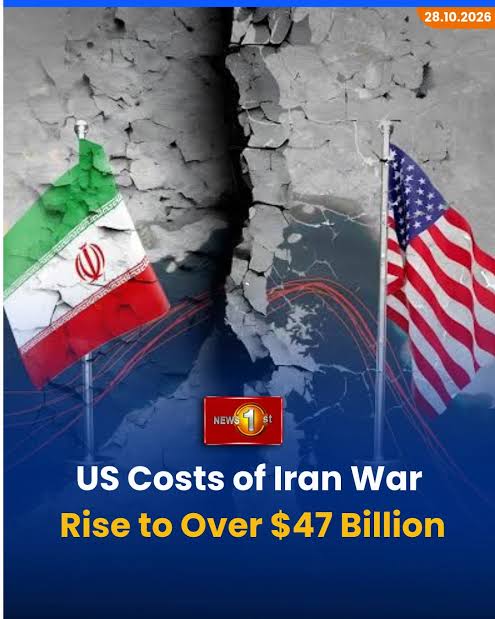
Eisenkot’s approach to the ongoing tensions with
Iran and the possibility of a wider war appears to differ significantly from
that of the current government. Unlike Netanyahu, Eisenkot believes that regime
change in Iran is an unrealistic objective and should not be Israel’s primary
goal. Consequently, his coming to power could reduce the likelihood of an
intensified, sustained or direct regional war with Iran. Rather than relying
solely on overwhelming military force, Eisenkot would reportedly favor a
combination of US cooperation, covert Mossad operations and international
diplomacy to constrain Iran’s nuclear programme and missile capabilities.