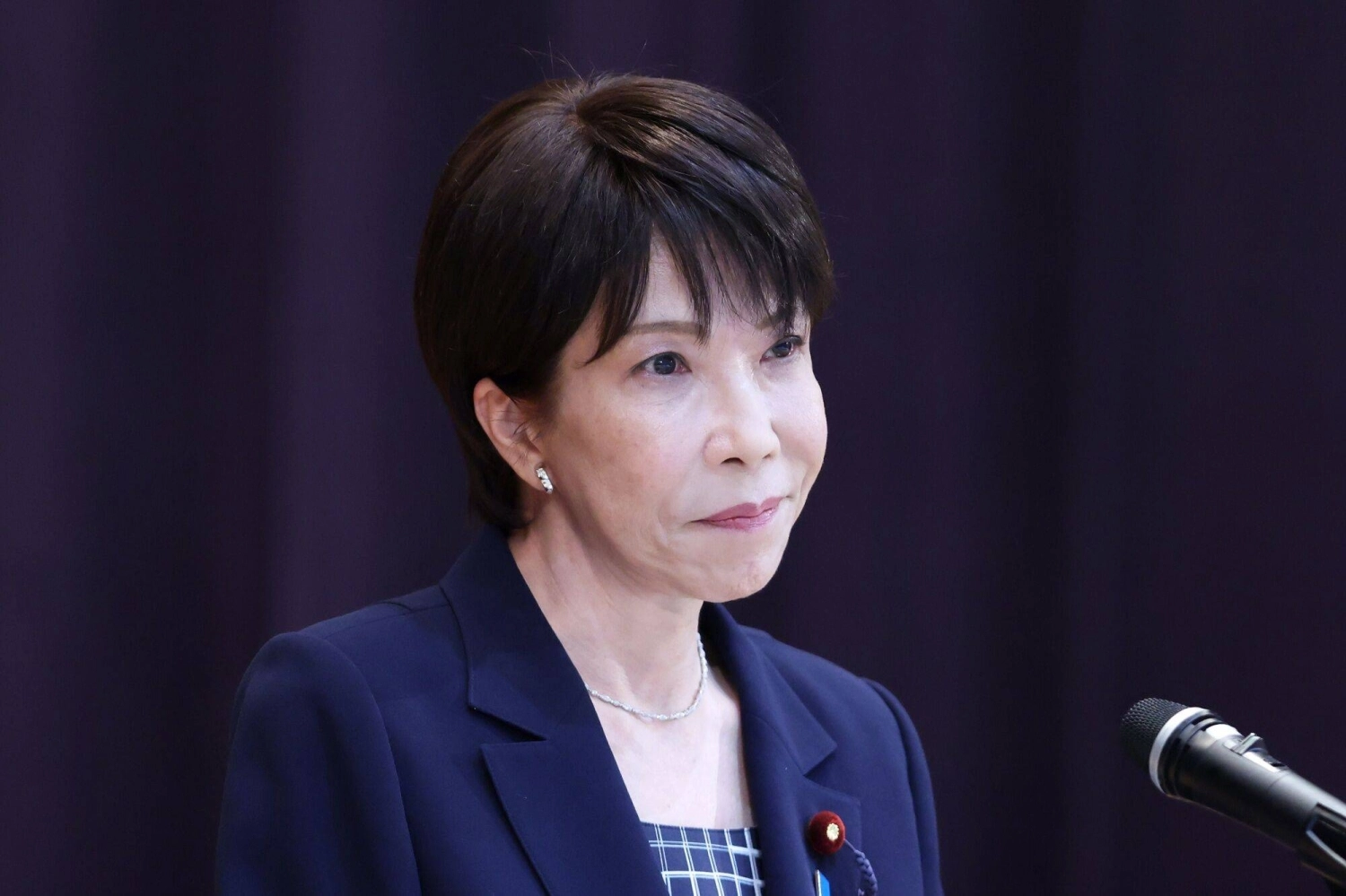
Public reactions and comments opposing foreign
residents and immigration policies have increased dramatically over the past
year on the official X account (formerly Twitter) of Japanese Prime Minister
Sanae Takaichi. According to a comprehensive survey conducted by Japanese news
agency Jiji Press in collaboration with the social media monitoring platform
Brandwatch, 7.5 percent of more than 1.5 million comments posted in response to
her posts since she took office have directly focused on foreign residents and
immigrants. Analysts say this trend reflects growing unease, concern and
sensitivity among Japan’s local population over the steadily increasing number
of foreign residents living in the country.
Remarkably, users have repeatedly brought up
immigration even under posts that had little or nothing to do with foreign
nationals or border management. According to the data, Prime Minister Sanae
Takaichi published a total of 868 posts over the past year, of which only 16,
or 1.8 percent, addressed foreign nationals or related policies. Nevertheless,
more than 112,000 of the over 1.502 million replies she received mentioned
immigrants. The volume of such comments surged when the prime minister posted
an explanation of the government’s policy in late September regarding stricter
requirements for permanent residency in Japan. Following that post, the number
of immigration-related comments rose from 216 to approximately 5,000 in a
single day.
The strongest demonstration of online anxiety
over foreign residents occurred on October 18, when the prime minister shared a
domestic administrative initiative aimed at protecting young schoolchildren and
preventing street crime. Although the post had no connection to foreign
nationals, more than 6,500 replies — over half of all comments — were directed
against immigrants. A large number of users claimed that Japan’s relatively
lenient immigration policy was increasingly threatening the safety of Japanese
children and urged the government to immediately halt the arrival of foreign
nationals. Other comments expressed concern that foreign residents were placing
an additional burden on Japan’s social security and pension systems. Several
users also repeated unverified claims that foreign nationals involved in
criminal offences frequently escape punishment.
An analysis of online sentiment revealed another
concerning trend: negative comments among the responses received by the prime
minister were three times as numerous as positive ones. Although positive and
negative opinions were initially balanced during the early months, negative
sentiment has gained a clear advantage in recent months.
This trend has emerged as Japan’s registered
foreign-resident population surpassed 4.281 million by the end of June this
year, reaching the highest level in the country’s history. Faced with a rapidly
ageing population and a severe labour shortage, the Japanese government is
increasingly compelled to rely on foreign workers. At the same time, the
growing wave of online debate and criticism appears to be creating a major political
and social challenge for the integration of immigrants into Japanese society
and the development of future immigration policies.