Thousands-of-Years-Old Skulls Found in the Tombs of Egyptian Kings
New research has uncovered surprising evidence surrounding a 5,000-year-old mystery linked to the rulers of ancient Egypt.
- Reading time
- 2 min read
- Published
- 7 Oct 2026, 06:06
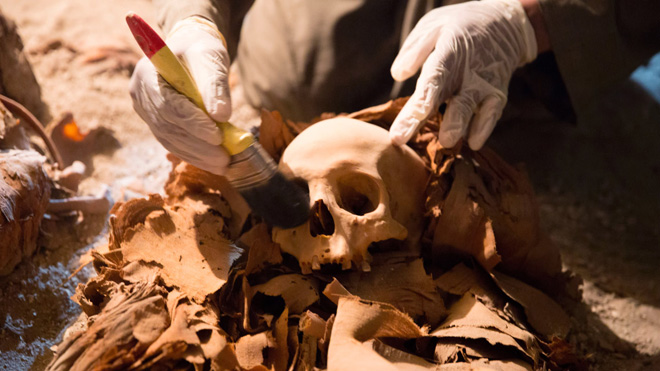

New research has uncovered surprising evidence surrounding a 5,000-year-old mystery linked to the rulers of ancient Egypt.
New research has uncovered surprising evidence surrounding a 5,000-year-old mystery linked to the rulers of ancient Egypt. Researchers have reexamined human skulls recovered from the tombs of three rulers of Egypt’s First Dynasty at Abydos, finding signs of severe head injuries on several individuals.
Archaeologists believe that some servants may have been deliberately killed following the deaths of their rulers. One possibility is that the ritual was intended to allow these individuals to continue serving their kings in the afterlife. However, researchers have described this as a possibility inferred from the available evidence rather than a definitive conclusion.
The human remains were first discovered in the 1920s and are now preserved in the Duckworth Collection at the University of Cambridge. Modern technology and new research methods have revealed signs that could not be clearly identified during the initial examinations because of the limited technology available at the time.
Dr. Roselyn Campbell of Purdue University explained that “retainer sacrifice” was a specific form of human sacrifice. In this practice, people close to a ruler were killed around the time of his death so that they could become part of the royal burial process. The possibility of human sacrifice had been considered by researchers following the initial excavations. However, at the time, there was no clear evidence of fatal injuries deliberately inflicted on the remains, leaving the question unresolved for nearly a century. Researchers later examined 46 skulls using modern forensic techniques and identified potentially fatal injuries on 18 of them. These included skull fractures, while one set of remains showed signs of an injury near the eye apparently caused by a sharp object.