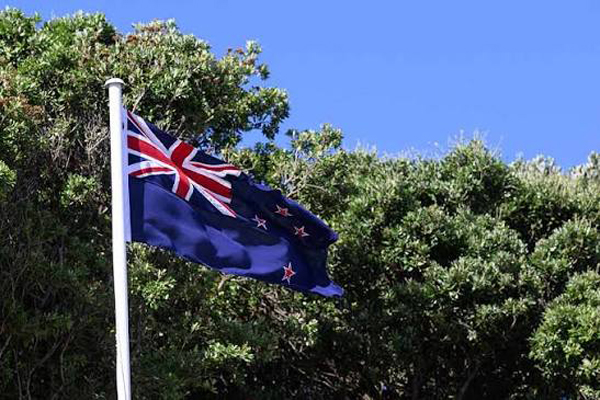
New Zealand has a population of approximately 5.3
million people. It is known for its peace and stability, economic prosperity,
and extraordinary natural beauty. Blessed with breathtaking scenery, the
country offers spectacular mountains, rivers, lakes, and coastlines. Its well-organized
administration, combined with the charm of its natural surroundings, makes New
Zealand’s cities beautiful, peaceful, and attractive places to live and visit.
- ·
Population: Approximately
5.3 million people.
- ·
Capital: Wellington.
- ·
Official languages: English,
Māori, and New Zealand Sign Language.
- ·
Currency: New Zealand
dollar (NZD).
- ·
Government: A unitary
parliamentary representative democracy under a constitutional monarchy.
- ·
Major religion:
Christianity.
- ·
Geography: Located in
Oceania, New Zealand consists of two main islands—the North Island and the
South Island—along with numerous smaller islands.
Fact 1: The Lord of the Rings Was Filmed in New Zealand
New Zealand’s breathtaking landscapes, ranging
from rugged mountains and lush forests to pristine coastlines, provided the
perfect backdrop for bringing J.R.R. Tolkien’s fictional world to life on the
big screen. The country’s diverse terrain served as the setting for famous
locations such as the Shire, Rivendell, and Mordor.Filming in New Zealand not only captured the
essence of Tolkien’s legendary realms but also showcased the country’s
extraordinary natural beauty to audiences around the world. Note: If you plan to travel around the country,
check whether you need an International Driving Permit to drive in New Zealand.
Fact 2: The Kiwi Is Both a Fruit and a Unique
Bird
The kiwi is a distinctive bird native to New
Zealand and an important symbol of the country’s national identity. Although it
shares its name with the kiwi fruit, the bird is unrelated to the fruit. It is
a flightless bird belonging to the group of birds known as ratites, which also
includes ostriches, emus, and cassowaries. The kiwi is famous for several unusual
characteristics. It is primarily nocturnal, has a long beak with nostrils near
its tip, and possesses dense, brownish-grey feathers that resemble fur. Its
wings are so small that they are virtually useless for flight. Another remarkable feature is its exceptionally
keen sense of smell, which is unusual among birds. The kiwi uses this ability
to locate insects, worms, and other invertebrates on the forest floor.
Fact 3: New Zealand Was Once Home to Another
Remarkable Bird That Is Now Extinct
New Zealand was once home to several unique bird
species, many of which became extinct because of human activities and the
introduction of invasive species. One of the most remarkable extinct birds was the
moa. These enormous flightless birds included species that reached heights of
approximately 3.6 meters (12 feet), making them among the tallest birds known
to have existed. Moas were herbivores and played important
ecological roles in New Zealand’s forests. However, they were hunted by Māori
settlers and disappeared relatively soon after humans arrived in New Zealand,
around 1280 CE. The extinction of the moa is a tragic example of
the impact human activities can have on biodiversity. It also serves as a
reminder of the importance of conservation efforts to protect endangered
species from a similar fate.
Fact 4: New Zealand Is One of the Few Countries
Where Sign Language Is an Official Language
In 2006, New Zealand officially recognized New
Zealand Sign Language (NZSL) as one of its official languages, alongside
English and Te Reo Māori, the country’s Indigenous language. This recognition acknowledged the importance of
NZSL as a means of communication for the Deaf community. It also helped promote
the language’s use and accessibility across various aspects of society,
including education, public services, and the media.
Fact 5: New Zealand Was the First Self-Governing
Country to Grant Women the Right to Vote in National Elections
New Zealand was a pioneer in women's suffrage,
becoming the first self-governing country to grant women the right to vote in
national parliamentary elections. In 1893, New Zealand passed the Electoral Act,
granting women aged 21 and older the right to vote. This historic legislation
marked a major milestone in the global struggle for women's suffrage and paved
the way for progress in other countries. It is worth noting that some territories and
local jurisdictions had previously granted women limited voting rights in local
elections or other contexts. Nevertheless, New Zealand’s decisive action to
establish women's voting rights at the national level was a landmark moment in
the history of women's rights and democratic governance.
Fact 6: New Zealand Is Known for Its Clean Water
and Air
New Zealand is renowned for its natural
environment, including its clean air, freshwater resources, and extensive
protected natural areas. Its relatively low population density, environmental
regulations, and active conservation efforts contribute to the protection of
its natural resources. The country’s waterways include numerous rivers,
lakes, and streams that are popular for swimming, fishing, and other
recreational activities. However, water quality varies by location, and some
waterways face pollution and agricultural runoff challenges. Environmental
protection remains an important priority. New Zealand also has an extensive network of
national parks, nature reserves, and protected areas covering a substantial
proportion of its land. These areas preserve diverse ecosystems, native
wildlife, and distinctive plant species while providing opportunities for
outdoor recreation, ecotourism, and scientific research.
Fact 7: New Zealand Has No Native Land Snakes
New Zealand’s unique geological history,
including its separation from the ancient supercontinent Gondwanan and its
subsequent isolation, contributed to the evolution of a distinctive range of
plants and animals. One particularly unusual feature is that the
country has no established native land snake species. Although some sea snakes and sea kraits have
occasionally been recorded in New Zealand’s coastal waters, sightings are rare,
and these animals are not considered part of the country’s established native
land fauna.
Fact 8: New Zealand Celebrates New Year in
Summer, but Santa Claus Parades Still Take Place
Because New Zealand is located in the Southern
Hemisphere, New Year’s Eve falls during the summer months, usually bringing
warm weather and long daylight hours. Despite the seasonal contrast with traditional
winter celebrations in the Northern Hemisphere, New Zealanders welcome the New
Year enthusiastically with fireworks displays, outdoor concerts, and street
parties. Some New Zealand cities also organize Santa Claus
parades. These festive events typically feature colorful floats, marching
bands, and Santa Claus himself, delighting children and families as the
Christmas season begins. Although Christmas occurs during summer in New
Zealand, the celebrations retain many familiar traditions associated with the
holiday.
Fact 9: New Zealand Is a Major Global Supplier
of Sheep Meat
New Zealand is one of the world’s leading
exporters of sheep meat and sheep products, and sheep farming plays an
important role in its agricultural sector. Although the country’s sheep population has
declined from its peak in the 1980s, sheep farming remains a significant part
of the rural economy. The industry benefits from New Zealand’s
temperate climate, extensive grazing land, and favorable agricultural
conditions. The widespread use of pasture-based farming, in which sheep graze
outdoors, contributes to the country’s reputation in international markets for
high-quality sheep meat and related products.
Fact 10: Hiking Is Popular, and the Country Has
Numerous Mountains and Volcanoes
New Zealand is famous for its spectacular natural
landscapes. Its rugged terrain offers countless opportunities for hiking,
mountaineering, and outdoor adventures. The country has an extensive network of walking
tracks, ranging from short scenic walks to challenging multi-day journeys
suitable for hikers of different experience levels. Some of New Zealand’s most popular hiking
destinations include the following:
1. Tongariro Alpine Crossing
This challenging one-day hike crosses an active
volcanic region and offers spectacular views of Mount Tongariro, Mount
Ngauruhoe, and the striking Emerald Lakes. Mount Ngauruhoe was used as the
visual inspiration for Mount Doom in The Lord of the Rings films.
2. Milford Track
One of New Zealand’s celebrated Great Walks, the
Milford Track is a multi-day hiking journey through Fiordland National Park.
Hikers encounter dramatic mountain scenery, spectacular waterfalls, and lush
temperate rainforests.
3. Abel Tasman Coast Track
Located in Abel Tasman National Park, this
beautiful coastal trail features golden beaches, turquoise waters, and scenic
views of native coastal forests. It is especially popular with visitors who
enjoy combining hiking with beach activities.
4. Aoraki/Mount Cook National Park
Home to Aoraki/Mount Cook, New Zealand’s highest
mountain, this spectacular alpine region offers hiking opportunities ranging
from easy scenic walks to demanding mountaineering expeditions.
5. Fiordland National Park
With towering mountains, deep fjords, and vast
wilderness areas, Fiordland is a paradise for hikers and nature lovers. Its
famous routes include the Kepler Track and the Routeburn Track, both offering
unforgettable views of New Zealand’s remarkable natural environment. New
Zealand’s combination of unique wildlife, historic achievements, cinematic
landscapes, and extraordinary outdoor destinations makes it one of the most
fascinating countries in the world.