According to a report by The New York Times,
the United States has offered Russia three major economic incentives in an
effort to persuade Moscow to accept a limited ceasefire covering energy
facilities or naval operations. The proposals include releasing billions of
dollars in Russia’s frozen sovereign assets, potentially reviving an earlier
plan involving as much as $100 billion; selling stakes in Russian oil giant
Lukoil to Middle Eastern investors, some of whom have business ties to US
negotiators; and allowing Belarus to resume potash exports, which would also
generate substantial revenue for the country.
US envoys Steve Witkoff and Jared Kushner have
revived these proposals. The frozen assets could potentially be released as an
initial incentive rather than after a ceasefire comes into effect. According to
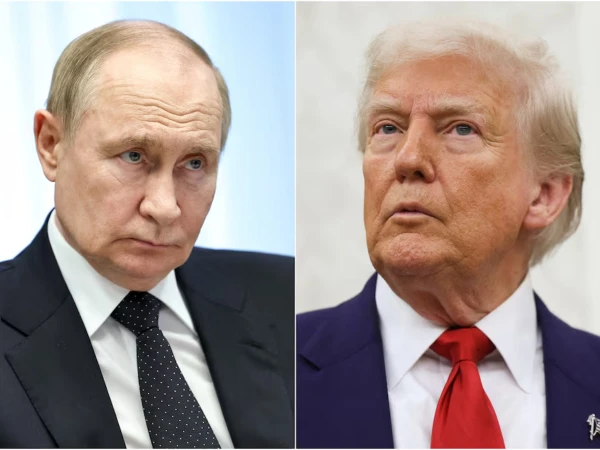
the newspaper, President Donald Trump’s envoys met Russian President Vladimir
Putin at the Kremlin on September 5. The discussions covered the war in Ukraine
as well as the potential sale of Lukoil’s overseas assets. The New York
Times reported that Putin himself raised the issue.
Lukoil was subjected to US sanctions in the
autumn of last year, after which the company began efforts to sell its overseas
assets, valued at approximately $20 billion. According to the Financial
Times, the group of investors interested in acquiring these assets
includes Todd Boehly, the former co-owner of Chelsea Football Club; Sheikh
Tahnoon, the brother of the president of the United Arab Emirates; and Qatar’s
Al-Khayat family. All reportedly have connections with the Trump and Witkoff
families. However, The New York Times stated that there is no evidence
that Kushner or Witkoff would personally benefit from the deal. US approval to
lift sanctions on the assets would remove restrictions on their sale and could
immediately increase their value.