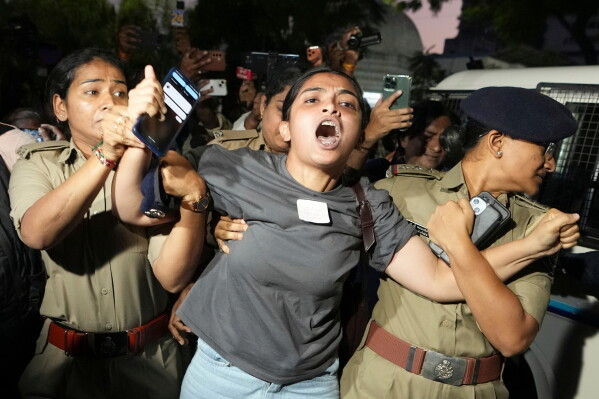
Indian authorities detained more than 2,000
people in New Delhi as they imposed tight security measures to prevent protests
demanding the resignation of Chief Election Commissioner Gyanesh Kumar. Those
detained included Abhijit Dipke, founder of the Cockroach Janta Party, and two
senior party leaders. According to Reuters, large numbers of police officers
and paramilitary personnel were deployed in the capital on Saturday. Mobile
internet services were suspended in the central business district, while several
metro stations and markets were also closed.
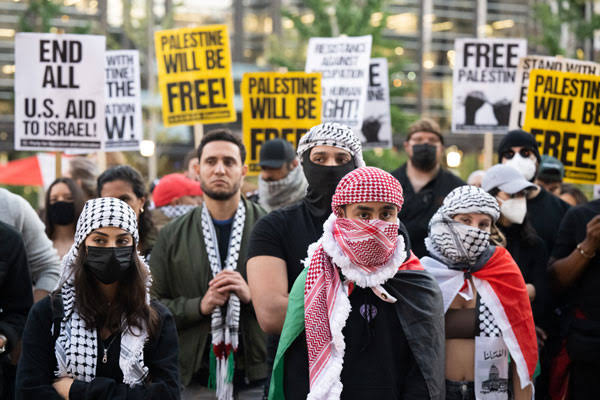
The protest was organised by the Cockroach
Movement to demand the resignation of the chief election commissioner. Critics
allege that changes to voter lists were made in ways that benefited Prime
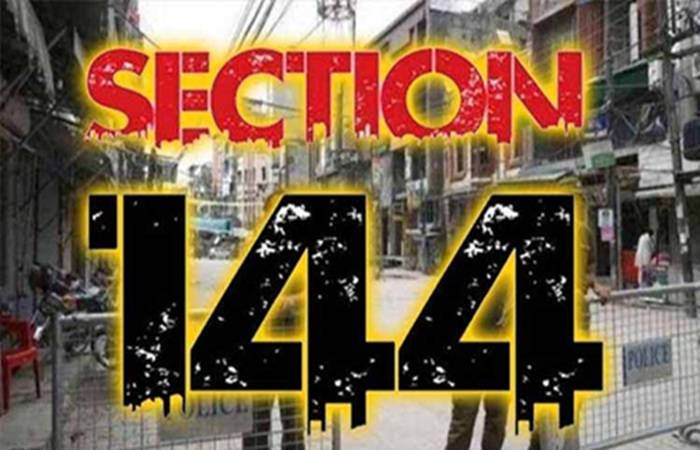
Minister Narendra Modi’s Bharatiya Janata Party (BJP). Authorities sealed off
the Jantar Mantar area in central Delhi before the demonstration began. An
Indian Home Ministry official, speaking to Reuters on condition of anonymity,
said that more than 2,000 people had been detained in Delhi. Meanwhile, local
media reported that approximately 400 protesters were also detained in Mumbai.
Police did not immediately comment on the operations. According to the
Cockroach Janta Party, its founder, Abhijit Dipke, and two senior leaders,
Saurav Das and Ashutosh Ranka, were detained immediately after disembarking
from a flight from Mumbai to Delhi. The movement condemned the arrests,
demanded the leaders’ release and announced that it would continue its
protests.
The United Nations Human Rights Office expressed
concern over the large-scale arrests carried out before and during the
demonstrations. Spokesperson Thameen Al-Kheetan urged Indian authorities to
ensure respect for the right to peaceful assembly and to engage in meaningful
dialogue to address the protesters’ concerns. The protests come amid growing
questions from opposition parties over the removal of names from voter lists.
According to a report by The Indian Express, approximately 130 million
entries were removed during a revision of electoral rolls. These included
records indicating that 63 million people had moved elsewhere, 30 million could
not be traced, and 28 million had died. The Election Commission and the BJP
have rejected allegations of wrongdoing. The commission maintains that eligible
voters whose names were removed during the revision process can register again.
The opposition, however, argues that the changes to voter lists affected the
outcomes of recent state elections.