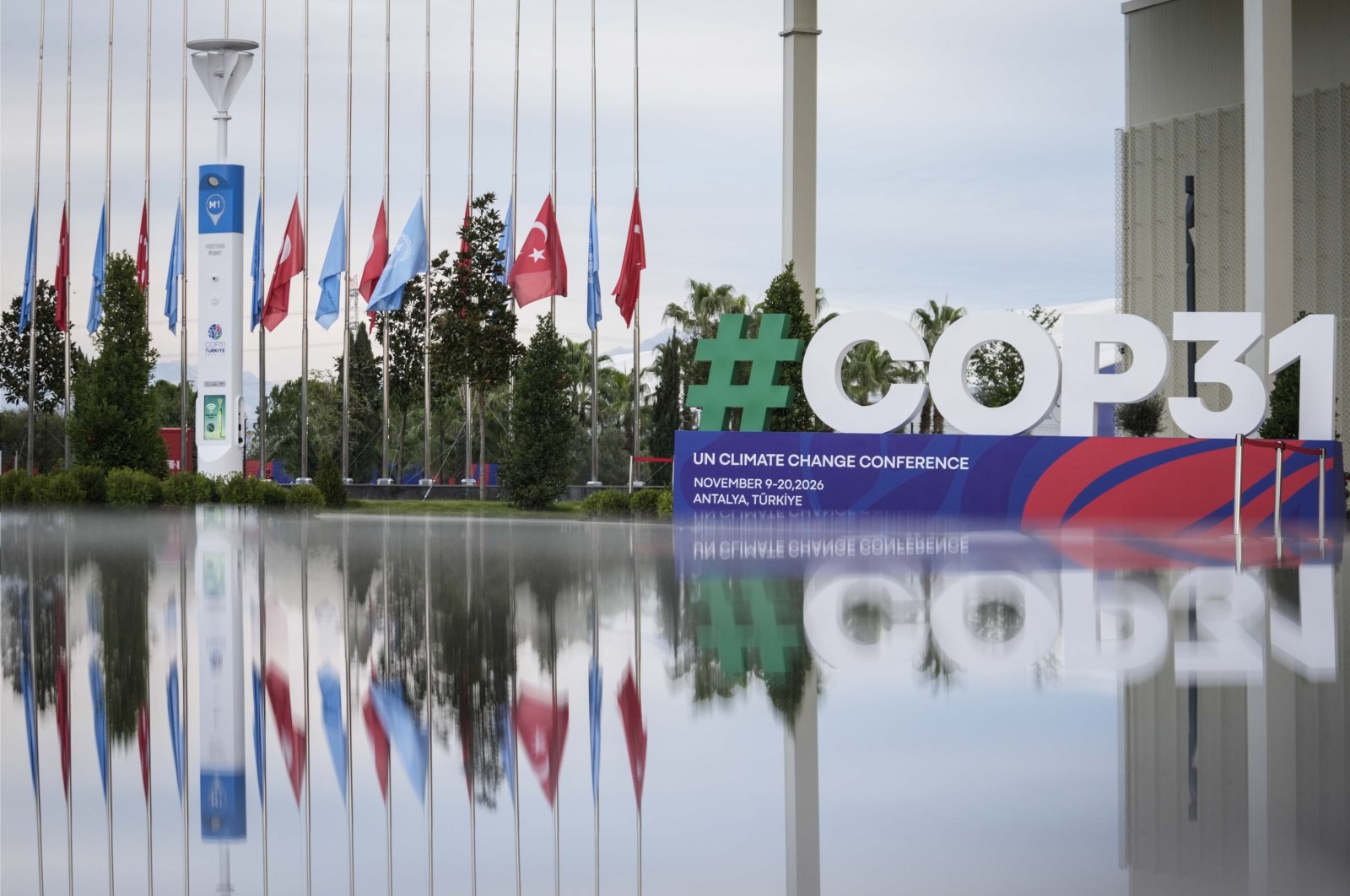
The global climate conference (COP31), currently
under way in Antalya, Türkiye, focused on transforming the global energy system
on its second day. Member countries discussed how to move away from coal, oil
and gas, expand the use of clean energy, and overcome the financial and
infrastructure barriers hindering this transition.
Highlights from the Second Day of the Conference
Brazil presented a roadmap for transitioning to
clean energy, while United Nations Secretary-General Antonio Guterres warned
about the economic costs of continued dependence on fossil fuels. Türkiye
unveiled its 35 by 35 initiative to accelerate the electrification of energy
use worldwide. Conference participants were told that outdated or inadequate
electricity transmission systems and expensive financing could slow the
transition to clean energy. Commenting on Brazil's release of its roadmap,
Antonio Guterres said the time had passed for treating the phase-out of fossil
fuels as a taboo or an impractical proposition. Following the recent escalation
of tensions in the Middle East, the European Union has had to spend more than
€100 billion in additional costs on fossil fuel imports, while petrol and
diesel prices have risen significantly in 130 countries. Guterres said that
simply changing fuel suppliers would not eliminate the risk, as disruptions
anywhere in the world could drive up energy prices everywhere.
'The Roadmap Is Not a Decree'
Brazil first released the roadmap on November 3,
but it was formally presented at COP31. Its purpose is to incorporate the
global commitment to phasing out fossil fuels into countries' national climate
plans. Each country faces different challenges in this regard. Oil- and
gas-producing countries will have to prepare for potential future declines in
revenue and changes in employment and industries. Meanwhile, countries
dependent on imported fuels will need to develop alternative energy sources
that can protect them from fluctuations in global energy prices. For both
groups of countries, the central challenge is securing the investment,
infrastructure and international cooperation required to make the transition to
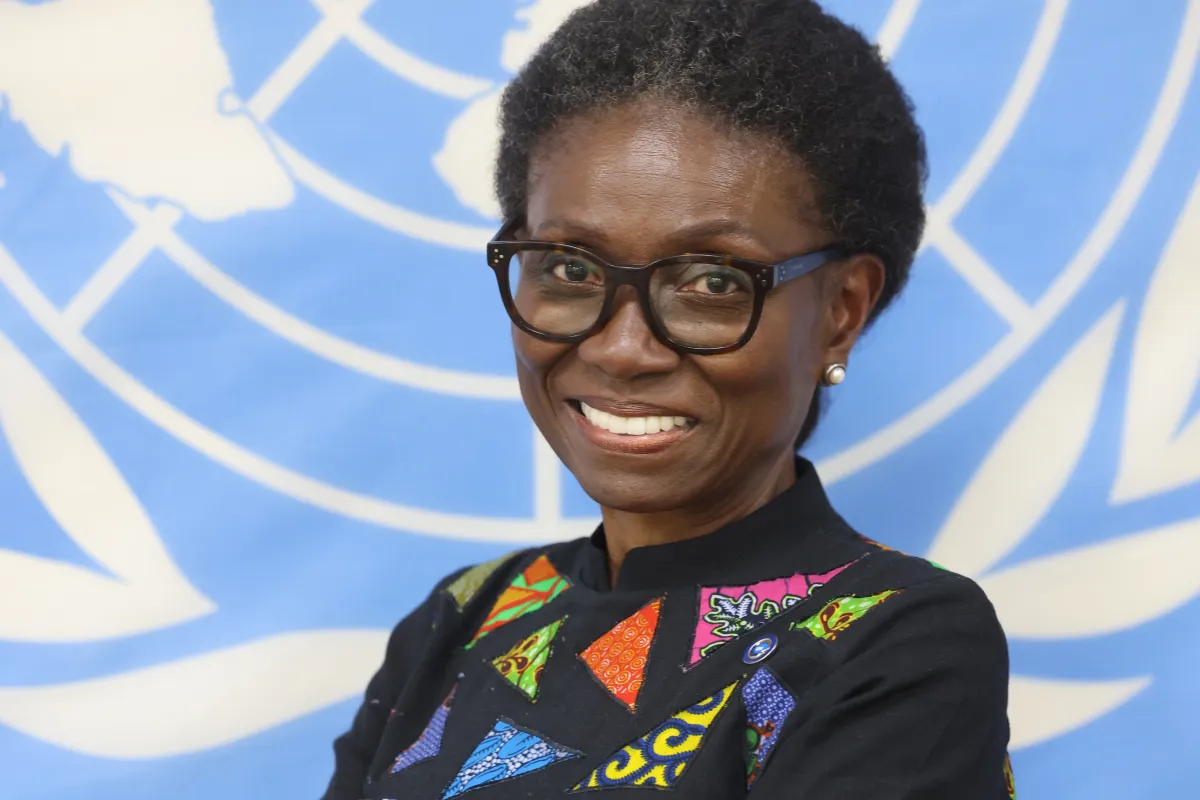
clean energy possible. Ana Toni, Chief Executive Officer of Brazil's COP
presidency last year, said the roadmap examined three interconnected areas:
demand for fossil fuels, their production and supply, and the economic
consequences of gradually phasing them out. It also provides member countries
with various indicators to assess their preparedness identify obstacles and
plan future steps. In addition, it includes proposals for strengthening
international cooperation. The roadmap is voluntary in nature and is not a new
legally binding climate agreement. However, the UN Secretary-General urged
member countries to prepare national climate plans with clear timelines and
financing requirements, and to demonstrate measurable progress by 2028.
Transitioning to Clean Electricity
Türkiye has also set an important target:
increasing electricity's share of total global energy consumption from the
current 20 per cent to 35 per cent by 2035. The global electrification pledge,
presented under the name 35 by 35, may appear technical, but its concept is
straightforward. It involves replacing diesel-powered buses with electric ones,
heating homes with electricity instead of gas, and shifting factories to
electric power. However, to achieve environmental benefits, the electricity
used must increasingly come from clean and renewable sources.
Another important topic discussed at COP31 was
electricity transmission infrastructure. Dario Liguti, affiliated with the
United Nations Economic Commission for Europe (UNECE), told UN News that
projects with the capacity to generate approximately 2,500 gigawatts of
electricity worldwide are waiting to be connected to transmission networks. Some
projects cannot be connected to the grid at all, while others have to reduce
their electricity generation because existing networks lack the capacity to
transmit the power they produce. He highlighted two measures to address this
problem: expanding the capacity of electricity transmission systems and
improving their quality. This will require laying millions of kilometers of new
transmission lines as well as modernising existing networks.
Risks of Dependence on Fossil Fuels
The UN Secretary-General warned that the global
energy crisis had exposed the risks of dependence on fossil fuels. However,
Dario Liguti also sees a positive aspect to the crisis. He said the situation
was encouraging large-scale investment in renewable energy and accelerating its
adoption. He explained that renewable electricity strengthens energy security
because it can be generated from domestic resources, eliminating the need to
import oil and gas. Solar and wind energy projects can be built in relatively
short periods. However, their success depends on having adequate systems in
place to deliver the electricity they generate to consumers.
Technology Is Cheaper, but the Transition Is
Expensive
Over the past decade, the cost of generating
electricity from solar and wind power has fallen significantly. However, the
initial investment required for such projects remains a major obstacle for
developing countries. Olli-Pekka Koskela, a researcher affiliated with the
United Nations University, told UN News that poorer countries have to pay
considerably higher interest rates on loans. This makes it difficult for them
to secure financing for clean energy projects, even when the technology
involved is relatively inexpensive. He said the initial investment in clean
technologies such as solar and wind energy could be substantial. Access to
capital and the availability of loans at affordable interest rates are
therefore extremely important. Development banks can help address this
challenge by providing loans at lower interest rates.
The Need for Resilient Energy Systems
Another major challenge is making electricity
systems resilient enough to withstand the effects of climate change. Citing
Zambia as an example, Olli-Pekka Koskela explained that a severe drought had
reduced hydropower generation in the country, forcing authorities to introduce
power cuts and rationing. To prevent similar problems in the future, increasing
solar power generation and strengthening electricity transmission links with
neighbouring countries could prove helpful.