Three-quarters of the world’s refugees, or
approximately 90 million people, live in countries exposed to climate-related
hazards such as severe or extremely severe droughts, floods and intense
heatwaves. The United Nations refugee agency (UNHCR) has warned that despite
the hardships refugees face, climate adaptation funding is failing to reach the
people who need it most. Ahead of the United Nations Climate Change Conference
(COP31), which is scheduled to begin next week in Antalya, Türkiye, a UNHCR
report titled No Escape says that countries affected by conflict and
instability, which host large refugee populations, receive only around 10% of
global climate adaptation funding. Antón Leis García, UNHCR’s Assistant High
Commissioner, said refugees were facing a double injustice. They had been
forced to flee their homes because of conflicts for which they were not
responsible, and were now exposed to a climate crisis in which they had played
little or no part.
Drought and Its Severe Consequences
The report also features the stories of eight
displaced people who have been severely affected by the climate crisis. Among
them is Munira Bahruddin, a woman from Sudan who was forced to flee Al-Fashir,
a city in the war-ravaged Darfur region, in mid-2023. She now lives in a
refugee settlement in eastern Chad. She told the report’s authors that the dry
season in Chad was far more severe than in Darfur. The journey to collect water
had become even longer, while her family’s need for water had also increased. According
to the report, by 2050, one in every three refugee settlements in sub-Saharan
Africa could face at least 100 days of severe and potentially deadly heat each
year.
Floods and Forced Displacement
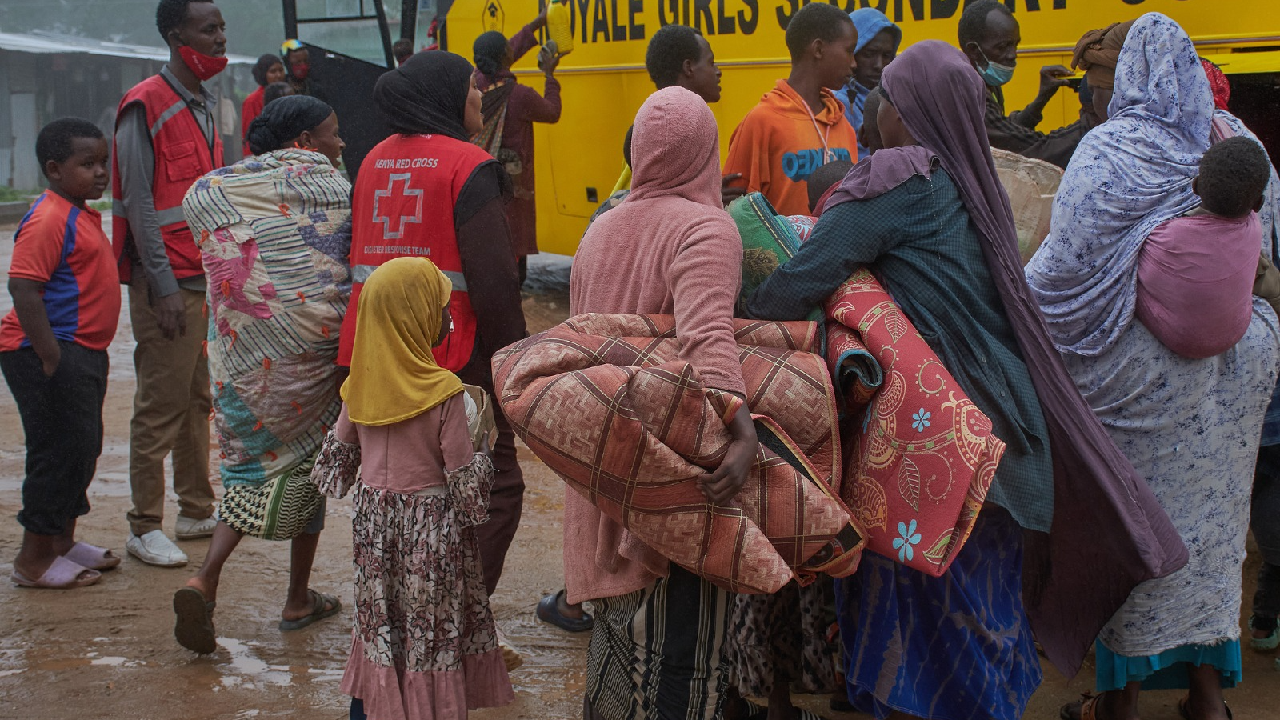
Over the past decade, climate-related disasters
have forced tens of millions of people around the world to move within their
own countries. Severe flooding associated with El Niño could displace three
million people in Somalia, Kenya, South Sudan and Uganda by the end of this
year. Climate change has also made it more difficult for displaced people to
return permanently to their homes or rebuild their lives. During the first six
months of 2026, more than two-thirds of the refugees who returned to their home
countries went back to nations that are extremely vulnerable to climate-related
hazards. In Syria, around four million people have also returned in recent
years. However, declining groundwater levels and severe climate impacts are
threatening recovery efforts after more than a decade of war. Meanwhile,
approximately 90% of the world’s stateless population lives in countries
severely affected by climate-related hazards. When natural disasters strike,
these people also face difficulties accessing aid and assistance because they
lack legal identification and citizenship.
Climate Investment
The report also highlights how refugees and the
communities hosting them are adopting new and effective ways to cope with the
effects of climate change. These initiatives include solar-powered water
systems in the Sahel region, climate-resilient agricultural practices in
Uganda, and land and mangrove restoration projects in Colombia. Antón Leis
García said COP31 should serve as an important turning point by recognizing the
leadership and contributions of refugees and translating major global
commitments into investments, ensuring that people most severely affected by
climate hazards receive the support they need.