The World Health Organization (WHO) has urged
member states to intensify their efforts to prevent lead exposure, which causes
more than 3.5 million deaths worldwide every year and poses a serious threat to
the health of millions of children. The appeal was issued ahead of
International Lead Poisoning Prevention Week, observed from October 18 to 26 to
raise awareness about the harmful effects of lead. According to the WHO,
although lead exposure is preventable, fewer than half of the world's countries
have adopted legally binding laws to ban or regulate the use of lead-based
paints.
The risks posed by lead are particularly severe
for children because their developing brains and nervous systems are extremely
vulnerable to the toxic effects of this heavy metal. Bruce Gordon, Acting
Director of the WHO Department of Environment, Climate Change and Health, and
Migration, said children's potential should not be sacrificed to lead exposure.
He stressed that member states needed to take action at the source to remove
lead from products and the environment before it could enter children's
bloodstreams.
Irreversible Harm
Lead contamination can originate from various
sources, including paints, cookware, cosmetic products, spices, informal
recycling and industrial activities. No level of lead exposure has been
identified as completely safe, and even relatively small amounts can cause
irreversible harm. Lead poisoning affects multiple organs in the body. In
adults, it can contribute to various health problems, including heart and
kidney diseases, while in children it can cause permanent damage to the brain,
health and development. The effects can persist throughout a person's lifetime
and include learning difficulties, behavioral problems and poor health. Since
symptoms of lead poisoning may not appear immediately, many affected
individuals remain undiagnosed until significant damage to their health has
occurred.
A Serious Public Health Concern
WHO member states have recognized lead exposure
as a serious public health concern and tasked the organization with developing
a global action plan to reduce its harmful effects. The plan will be presented
to the WHO's governing body and the World Health Assembly next year. The organization
will also introduce a technical package next year aimed at preventing lead
poisoning. The initiative is intended to provide practical guidance to member
states, enabling them to identify major sources of lead contamination,
determine more effective interventions, strengthen laws and regulations, and
ensure their proper enforcement. Last year, the WHO joined its partners in the
Lead Poisoning Prevention Initiative. The initiative aims to improve and expand
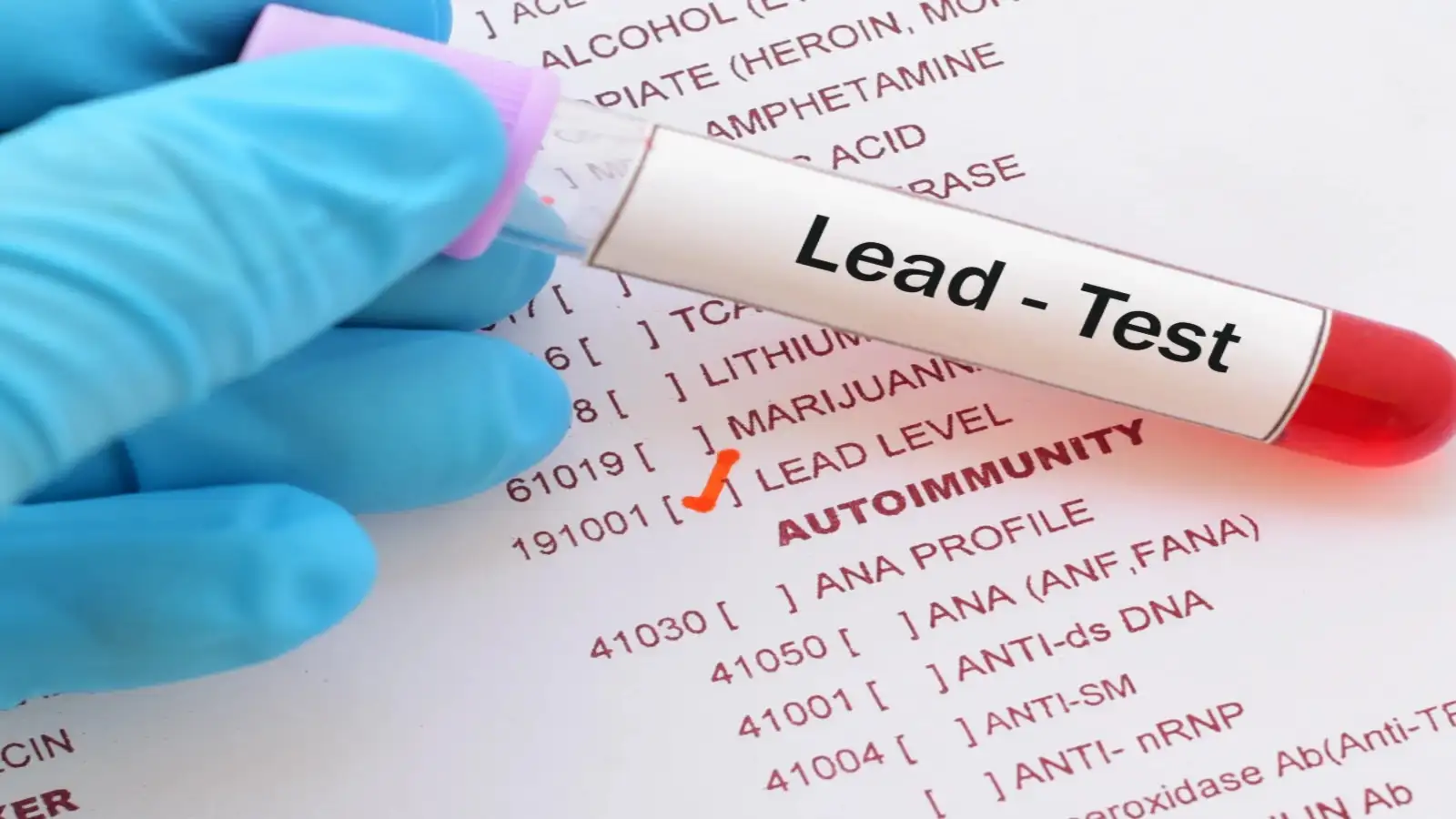
laboratory capacity for measuring blood lead levels, enabling the timely
detection of lead exposure and its harmful effects.