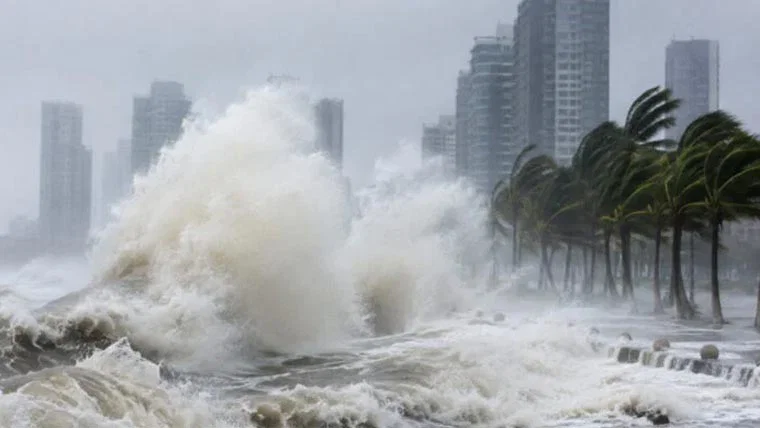
Rising ocean temperatures in the Pacific,
combined with climate change, have increased the intensity and frequency of
powerful tropical cyclones across East Asia. Over the past few months,
successive storms have struck the Philippines, Taiwan, China and Japan, killing
dozens of people, displacing thousands and causing extensive damage to
infrastructure and agriculture.
According to a report by the BBC, the unusual
weather conditions are largely linked to the El Niño climate phenomenon, which
causes the waters in the eastern Pacific to become unusually warm and alters
normal wind patterns. The UK Met Office has described this year’s El Niño as
one of the strongest events on record, with conditions expected to persist
until February or March. In October, Category 5 Typhoon Champi headed towards
Taiwan, with wind speeds reaching up to 295 kilometers per hour. Although the
storm passed without making landfall on the island, hundreds of flights were
cancelled in Hong Kong, Taiwan and Japan. Power was also cut to 15,000 homes in
Japan’s Okinawa Islands.
According to the report, Super Typhoon Dolphin
struck eastern China in August after travelling across the Pacific for 16 days,
causing severe flooding and loss of life. In June, Japan faced two storms
simultaneously, forcing one million people to evacuate to safer locations. Experts
say warmer ocean waters are providing storms with greater energy. This year,
the combined intensity of tropical cyclones across Southeast and East Asia is
expected to be nearly twice the average recorded over the past 30 years. Research
by meteorologists in the Philippines suggests that rising temperatures could
increase total rainfall during storms by 26 per cent. Japan and China have
accelerated their precautionary measures, while the Philippines and other
countries in the region have begun preparing to protect food production,
particularly rice crops, from potential storm damage.